If you have a Carlon, Thomas & Betts, Lamson & Sessions, or Dimango Wireless Door Chime. Before purchasing any wireless doorbell transmitter, you need to check the QC numbers to make sure your receiver is not “outdated” and will be compatible with the buttons. If any component in your current system is manufactured before 2000, then IT WILL NOT be compatible with any wireless Carlon products featured on this website.
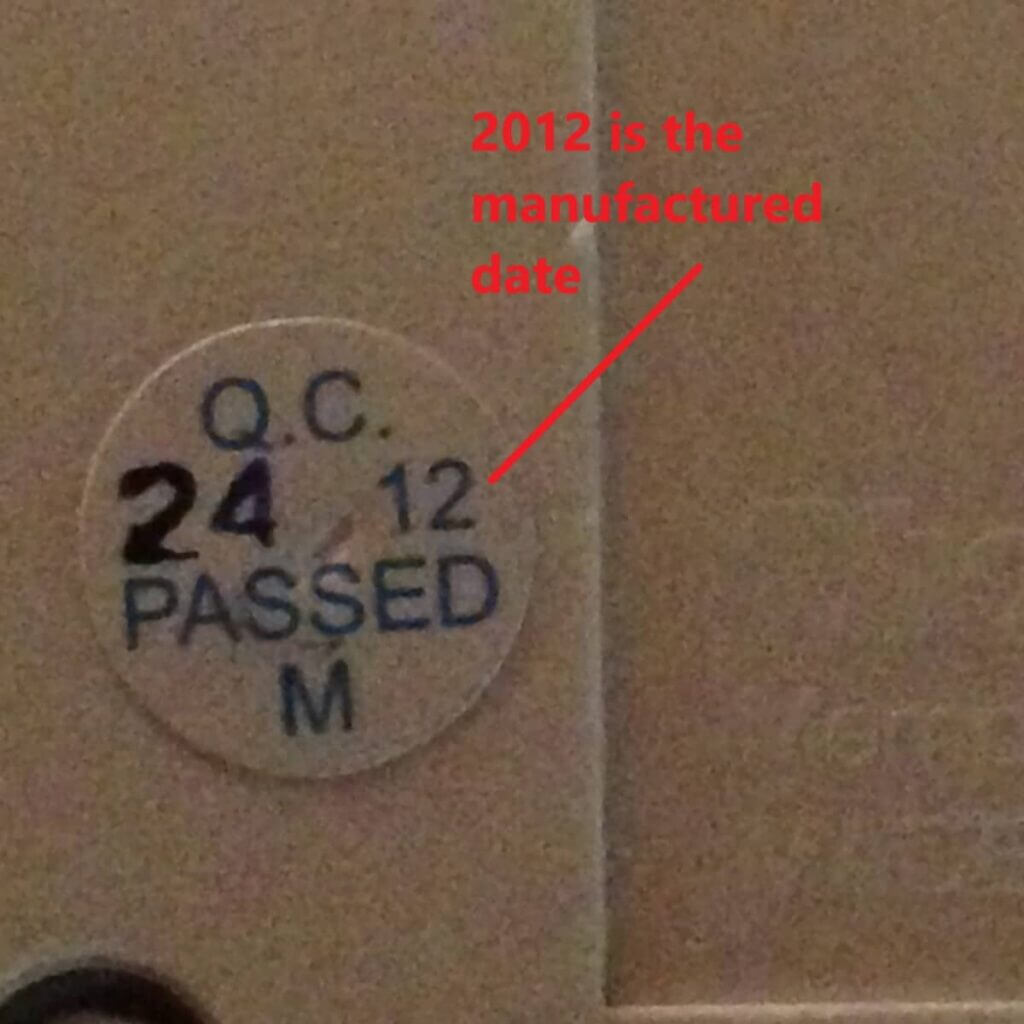
You should see a small white sticker on the back of the Carlon/Dimango product. On this sticker, you will see QC with a four-digit code right under it.
There will be two sets of numbers. (xx-xx) The second set of numbers must be 00, 01, 02, 03, etc., or higher. If they are in the ’90s (99, 98, 97, etc), they are NOT compatible. Unfortunately, the receiver and button would both need to be replaced.
Products manufactured by Carlon AFTER THE YEAR 2000 use a technology named Surface Wave Acoustic or SAW which increased connectivity and increased battery life. Although this improved the products it made products featuring this technology incompatible with those that did not. Locate the small sticker on the back of the receiver with the QC information.
The property crime rate is about 130 victimizations per thousand households. Depending upon where you live, your rate may be much higher or lower, but statistics don’t make a difference if a crime happens to you or your family. It’s always better to feel safe (and to be safe) in your home. That’s why alarm systems are big business and there are thousands of systems to choose from.
No matter where you live, it pays to be cautious. Although violent crime is down in most US cities, property crime is on the rise. Even so, many people just don’t take the time to find out how to install security cameras or video surveillance systems for homes or businesses.
Keeping your property investment secure and your family safe is well worth the effort, however. Video security system installation can be daunting if you’re not fairly handy at DIY home improvements or electrical/electronics setup. But if you take some time to plan the project – and walk through the steps outlined here, you’ll save money on the installation.
Are you thinking about installing a home alarm system, but wondering how difficult it might be to select and install? The specifics of how to install an alarm system, of course, depend on the type you select. The good news is that, no matter how handy you are or what your budget might be, there are home alarms on sale to fit every need. Read on for detailed advice from our experts.
Home insurance claims to your theft or property damage insurance–or liability claims if someone is injured on your property
And more
Advanced Features for Home Security Systems
Glass breakage sensors
Flood sensors
Video cameras for home security
Carbon monoxide (CO) detectors and smoke alarms
Settings that allow different home and away modes for the security system
Key chain remotes are available with some home alarm systems
Battery backups keep the home alarm system activated, even if your electrical power is out
Panic buttons allow you to set off the alarm yourself if you see someone breaking in
Professional monitoring (when a professional security company monitors the alarm–then alerts you and the police or fire department)
Alert options such as sound, lighting, text messaging, phone calls, or email if your home system goes off
Choosing and Installing a Home Alarm System
With all the choices on the home alarm market, making a choice and getting your chosen home alarm system installed can be confusing. You should start by thinking about your home’s layout and size, along with what areas are most likely entry points for an intruder or burglar. Your budget must also factor into the solution.
Low-Tech and Low-Budget Home Alarms: The Simplest to Install
The simplest and most low-tech home alarm solution is also the easiest to install. We’re talking about a deterrent system. You might opt to purchase home alarm signage for your lawn or to post it on your fence or garage. Even if you go no further, you will cause any thief to think twice and hopefully move right along. Dummy video cameras: A professional burglar or someone who is desperate to get into your home, however, would require additional home security measures beyond just home security signage. Next in price and ease of installation is the dummy camera or dummy video surveillance. (Sometimes these are referred to as CCTV or closed-circuit television systems.) Dummy security systems are very popular and many of the surveillance cameras you see on homes in your neighborhood may be non-functional and fake. This is an economical solution to help keep your family, home, and property safe.
What Type of Video Surveillance System Do You Need?
There are three broad categories of video security systems (Sometimes called CCTV or closed-circuit television systems) for the home:
Hard-wired systems–which are wired into your home power grid
Wireless security systems–which are simpler to install
Dummy video security systems–which are the least expensive, simplest, and quickest to install by simply mounting them in selected locations.
If hard-wired video camera installation seems a bit too complex, you might consider hiring an electrician or professional security system installer. If that option seems too pricey, consider an easier-to-install wireless video security system. You should also think about the simplest and lowest-cost home security solution–the (surprisingly effective) dummy security camera. Installing a fake home surveillance camera in a fairly obvious spot can save you time and money while the faux video security camera acts as an excellent deterrent to thieves or trespassers. Even a dummy security camera system can help prevent:
Property crime (theft)
Home invasion and violent crime
Trespassing
Vandalism
Excess home insurance claims
And more
Think about advanced features you want for wireless and hard-wired home security systems, such as:
Connected carbon monoxide detectors and smoke alarms
Multiple alert options like sound, lighting, text message, phone call, or email
Glass break sensors
Water sensors
Home and away modes, with different levels of security
Key chain remotes
Rechargeable lithium battery backups–to operate the security alarm, even if your home’s electrical power goes out
Panic button so you can set the alarm off yourself if you see an intruder breaking in
Professional security monitoring contracts, where the company monitors and receives alarms–then alerts you and the police
Consider Security-Enhancing Products: Driveway Alarms and motion-sensing Doorbells
If you’d like advance notice when someone is approaching your home, consider a driveway alarm. When a car passes a motion sensor or drives over specially equipped hose sensors, you get an alert inside your home–or on a portable monitor you carry–when you’re in the backyard, for example. You can also purchase hard-wired or wireless doorbells with motion-sensing capability. This way, even if someone fails to ring the bell (or before they ring), the motion sensor near your door will notify you. Entrance alert systems triggered by door opening also increase personal safety at home or business. Choose the best spot(s) for your security cameras at home–no matter the type of system you’ve chosen, wired, wireless, or dummy. The placement of your security video cameras should provide good views of the front and back doors. Also, install video surveillance on the sides of the house to help prevent window-entry burglary. Install a security camera with a view of the garage doors as well–especially if you have an attached garage. Choose locations where a roof overhang or eave protects your home security system from the elements, provides good viewing angles, and decreases the possibility of camera vandalism. Check to be sure you have covered the area completely. Check the camera’s viewing radius and POV. Check the transmission radius for door chime for business wireless systems to make sure signals will reach speakers or receivers. Choose places to install motion sensors and door/window alarms if included in your chosen system. Secure cameras to the walls you have chosen firmly. Vibration can lower picture quality. Then adjust/point the lens in the chosen direction. WARNINGS: 1) In some parts of the country, it is illegal to record without informing people in advance. It may also be illegal to secretly record both video and audio simultaneously without consent in advance. Check local laws before installing video security devices. If you’re installing a fake video camera, of course, this warning does not apply.2) If you’ve chosen a wired system, be sure to shut off power to your home before installing or adjusting wiring. 1800Doorbell.com is not responsible for accidents or injuries. Please take care.
Installing Hard-Wired Home Surveillance Cameras
Tools needed
Side-by-side cable wiring, which includes both power and video cables. To save time, purchase security system wiring with BNC connections already attached. This connection at one end of the cable screws into an input on the back of your DVR.
Ladder
Flashlight
An assistant to hold your ladder
Hammer
Plastic cable ties
Square or U-shaped nails to fasten cable under the eaves of your home (these look like very large staples)
Power drill to run wires to the indoor area if no convenient openings are present
DVR to record activity at your doors/windows
LCD computer monitor to view the video playback or to monitor live real-time action
Window sensors (if applicable)*
Motion detectors (if applicable)*
Video cameras and mounts*
Deterrent home security signs and window labels (optional)* *Some items may come together in a kit
Install Power and Video Cables for your Video Cameras
Run cables from each camera through an existing space or newly drilled hole between the roof and the wall–or directly into a wall.
Select a spot for the DVR and LCD computer screen/monitor.
Bring cable lines into the room.
Crimp each end of the BNC connection onto the side-by-side coaxial cable (if necessary).
Screw in/connect the cable to the input on the back of the DVR.
Run each power cable separately into an outlet and AC adapter.
OR you can use/purchase a power supply box, plug all lines into it–then run only one cable to the wall outlet.
Connect a monitor to the DVR
For a review of installation procedures, watch this instructional video on Installing Video Surveillance CCTV Security Cameras from system manufacturer Loren as a review and for additional details. This longer security system installation video covers installing the entire system with control panels and sensors, etc.
Plug in the DVR and monitor nearby electric outlets.
Use home security lawn signs and window labels.
Installing Wireless Home Security Systems
Easy to Install and Economical
The next type of home burglar alarm you might want to consider to protect your home is a wireless system. Wireless systems offer several functions which you can add depending on your home layout and needs. Many wireless home alarm systems come with window sensors and/or glass break sensors which set off alarms if windows are breached. You may also opt to include motion detection as part of your wireless system. You can use wireless motion detectors for theft protection, but also to monitor whether kids or pets are entering or leaving a particular room of the house. Driveway alarms are also popular if you like to be warned whenever someone is approaching your home or driving up the driveway. These are excellent for homes that have a long driveway leading up to the house. It’s especially important to be notified of a car entering your driveway if you live in a rural area where it’s not common for people to drive in and out.
Tools Needed
Door and window sensors (each is in two parts — you need enough pairs to install on each door and window that you want to protect)
Motion sensors for each room that you’re securing
Cameras (optional)
Control panel (keypad)
Deterrent home security signs and window labels (optional)
Wireless Door and Window Sensor Installation
Choose the best spots for wireless sensors (motion sensors) that will communicate with your wireless alarm camera. Find likely areas that seem vulnerable to home break-ins like windows, front and back doors, large pet doors, garage doors, etc.
Check the range from each sensor (transmitter) to the sensor base (receiver). Transmitters have a limited range and they may be less than stated on the box. In the real world, transmitters have obstacles like large furniture or door frames that may not be accounted for when the manufacturer tests the system.
Install both halves of each window or door sensor. The bigger half is the wireless transmitter and the small piece is a magnet used to complete the closed circuit. When the window or door opens, the circuit is broken. Your alarm sounds or a light flashes and/or a nearby video camera is activated.
Screw the sensor into the door jamb or window frame.
Line up the magnet on the window/door edge opposite and even with the sensor.
Once pieces are lined up, drill pilot holes to attach/screw the magnet into the actual door/window.
Wireless Motion Detector Installation
An infrared motion detector works by sensing temperature changes. Because of this, be sure not to install them facing a window that gets direct sunlight. You may want to install motion sensors a few feet up from the floor. (Pets under 40 pounds don’t usually cause a false alarm because sensors aren’t sensitive enough to detect them, but just to avoid any chance of this problem, install sensors above their height.)
Choose your installation point with a clear, unobstructed view of the whole room.
Mount the sensor plates securely to minimize any vibrations and false alarms. Use screws where possible and use drywall anchors for hollow walls.
Installing the Wireless Control Panel
Just plug the control panel into a wall outlet and connect it to a phone jack, if necessary. (Some systems use wireless signals to send alarms to a smartphone or laptop.)
Program the control panel according to the manufacturer’s instructions.
Once you have programmed the home alarm system, the panel will set off an audible alarm and/or a flashing light, or call you or email you if a window/door sensor is breached.
Remember to activate your home’s window and door sensors before going to bed or leaving the house. If your system includes a smoke detector, CO detector, or flood detector, these always stay on.
Installing a Dummy Security System
If you opt for the deterrent effect of a dummy system, you only need a few tools to prepare: a ladder, screwdriver, lawn or wall signs, home security window labels, and fake video camera(s). You can choose fake security cameras that are appropriate for indoor or outdoor use. To install your dummy video security system, just attach the camera(s) to areas outside your home where they are visible, but out of reach so that potential intruders cannot break or spray paint the lens. You might want to install dummy video cameras on your porch high above the entry door, at your front gate, at the back door, or anywhere on your property. Then you can also add strategically placed security signs and window stickers around the house and property.
Tools needed:
Ladder
Screwdriver
Fake security cameras for indoor or outdoor use
Home security lawn signs or window labels
Installing Dummy Security Cameras
Simply attach the unit(s) to strategic areas outside your home where they’re visible, but out of reach to potential intruders.
Add strategically placed deterrent security signs/stickers around your home.
At 1800Doorbell.com we sell dummy cameras. These dummy video security cameras are easy to install, help you save money, and also act as a deterrent to help keep your home or business safe. Please contact us for further information. Order online from our website or call 1-800-DOORBELL (366-7235). For more advice, visit our blog and find great articles such as How to Install a Doorbell.
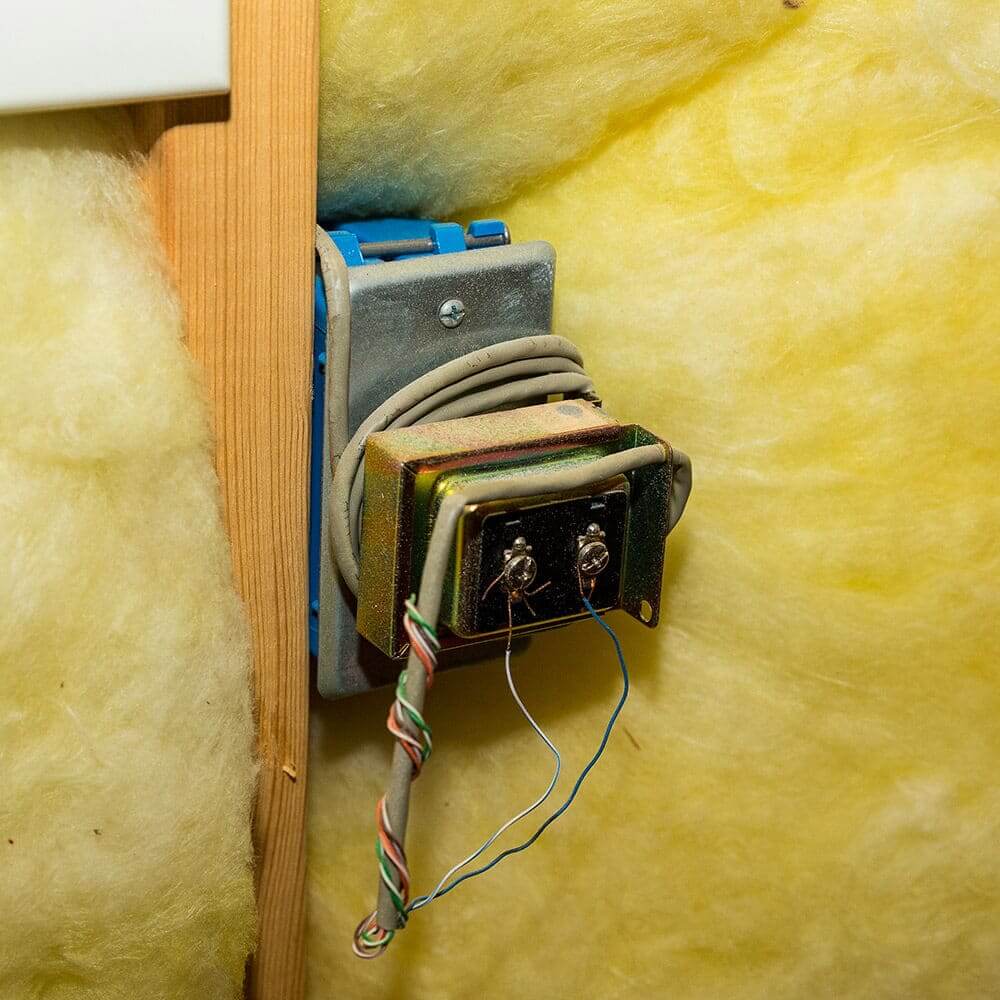
At a basic level, to understand the role a transformer plays, you simply need to look at the word itself “transformer.” When you have electricity coming into your home, it comes in at 120V. This is too much voltage to power a simple device like a doorbell, as almost all of them function at 12V or 16V. So what role does a transformer play? It transforms the electricity from 120V to 12V, something your low-voltage door chime can handle.
To shop our collection of the most common wired door chime and wired doorbell chime transformers, please visit our doorbell transformer page. This page features a small chart that details the basic features of each wired doorbell. Please feel free to call or email us if you need help selecting the right wired doorbell transformer.
How Are They Used in Wired Doorbell Systems?
The typical system is wired like this: The door chime low-voltage transformer is wired into your home’s electrical system. Next, a wired doorbell push button is mounted beside the front door. There is a bell wire that runs from that push button to the doorbell transformer. Next, the wired doorbell itself is also wired to the doorbell transformer. The circuit is closed, but when the front doorbell button is pushed, the electrical circuit is completed, and the doorbell chimes.
Most wired doorbells will use a doorbell transformer to power the system. There are battery-powered wired doorbells that will use batteries, thus bypassing the need for a transformer, but these systems have some limitations. Most notably, these types of doorbells (wired battery-powered) don’t play well with lighted doorbell buttons because the power draw of the lighted button will quickly drain the batteries. In most cases, you will need a doorbell transformer IF you have or need a wired doorbell, especially if you have a lighted button outside.
There Are a Variety of Other Uses for Doorbell Transformers
A large variety of the products we carry at secure.1800doorbell.com are low-voltage types of products and operate at 12V. For example, we carry 12V Strobe Lights that may be used to signal when charged or counters and tickers that work off of 12V.
Doorbell Transformers Play an Important Role with Extend a Chimes
A very popular category of products we carry is known as doorbell extenders, most under the brand name of “extend-a-chime.” These products allow you to extend the listening range of your wired doorbell system by looping into your wired doorbell, transmitting a wireless signal that stimulates a wireless door chime receiver to chime.
The critical element of these types of extenders is the wireless transmitter, such as the ERA-EXKIT. Using the supplied instructions, you simply wire this small transmitter into your existing doorbell transformer. When the doorbell button is pushed, a wireless signal is created, along with your existing doorbell sound, which is received by an accompanying doorbell receiver. This allows you to add wireless receivers, both plug-in and battery-operated versions are available, throughout your home.
One of our most popular products is the ERA-EXKIT which is designed for the hard of hearing who have an existing wired doorbell and have trouble hearing it. In this kit, a doorbell extender transmitter wires into the user’s existing wired doorbell transformer, so that a flashing doorbell receiver with a strobe light is signaled.
I Can’t Find My Doorbell Transformer – Where are Door Chime Transformers Located?
That’s a tough question and there isn’t a blanket answer. It depends on where the electrician, who installed your wired doorbell, put it. Over the years we have seen some seemingly random places doorbell transformers have been found. When you say “I can’t find my doorbell transformer,” it is usually, in one of three places.
In the garage – look around in the garage when you cannot find your wired doorbell transformer. Sometimes it is mounted near the garage door motor or recessed in a side wall near the circuit breaker box or electrical panel. If you see two wires coming out of the ceiling or wall, trace those wires to see if it leads you to your doorbell transformer.
In the attic – a similar situation to the garage, sometimes the doorbell transformer is in the attack and mounted to a rafter. This is not very common but when people say I can’t find my doorbell transformer and I’ve looked everywhere, the attic could be a hiding place.
In the wall near the wired doorbell – we’ve seen some situations when you can’t find your transformer and it is located underneath the wired chime box (in the foyer for example), recessed into the wall. Take the chime box cover off and remove the chime mechanism from the wall where it could be hiding.
Installing a Doorbell Transformer
The appropriate time for you to install doorbell wiring is when the ceilings and walls are in their preliminary phase of construction or during remodeling. If you are installing a doorbell in your finished house, a wireless doorbell is the best choice for you as you do not need to cut through the walls of your house for the installation of the wiring. Doorbell wiring in new houses is a very easy task.
Wiring for doorbells is of low voltage which uses about 12 volts. The size of the wire is 18-gauge which is called the doorbell wire. With this fact, you can never go wrong in installing the wiring of your doorbell.
In installing the wire of the doorbell, the wire should be run to the back of each buzzer to the so-called doorbell transformer. The wiring of the doorbell requires a doorbell transformer that can be connected to a circuit with 20 volts of power. The doorbell transformer helps in reducing the electric voltage by 12 volts.
Turn Off The Electricity BEFORE You Touch the Transformer!
You have to make sure that the electricity is turned off before wiring your doorbell transformer into the power station. The breaker should also be turned off and tell members of the family about your task. The doorbell transformer has a neutral screw and a hot screw. The one called the hot screw is where the black wire should be connected and the white wire is connected to the screw for the neutral. Through this wiring, power will be provided to the doorbell transformer. A single neutral wire and hot wire will run from the doorbell transformer into the so-called chime box.
The wiring of the doorbell will utilize hotlines which are usually two in number that will run into the doorbell from the box for the chime. If the buzzer is going to control two areas, then the doorbell will have two chimes different from one another for you to determine the right door to open. The wire will connect to the doorbell transformer containing 2 hot screws dedicated to each doorbell. It will also connect to every doorbell with the use of the 2 hot cables. When the button of the doorbell is pushed, the current of the electricity will be completed by the circuit so that the buzzer will chime.
See the Doorbell Transformers on secure.1800doorbell.com
For additional information about our wired doorbells and transformers, please feel free to contact us.
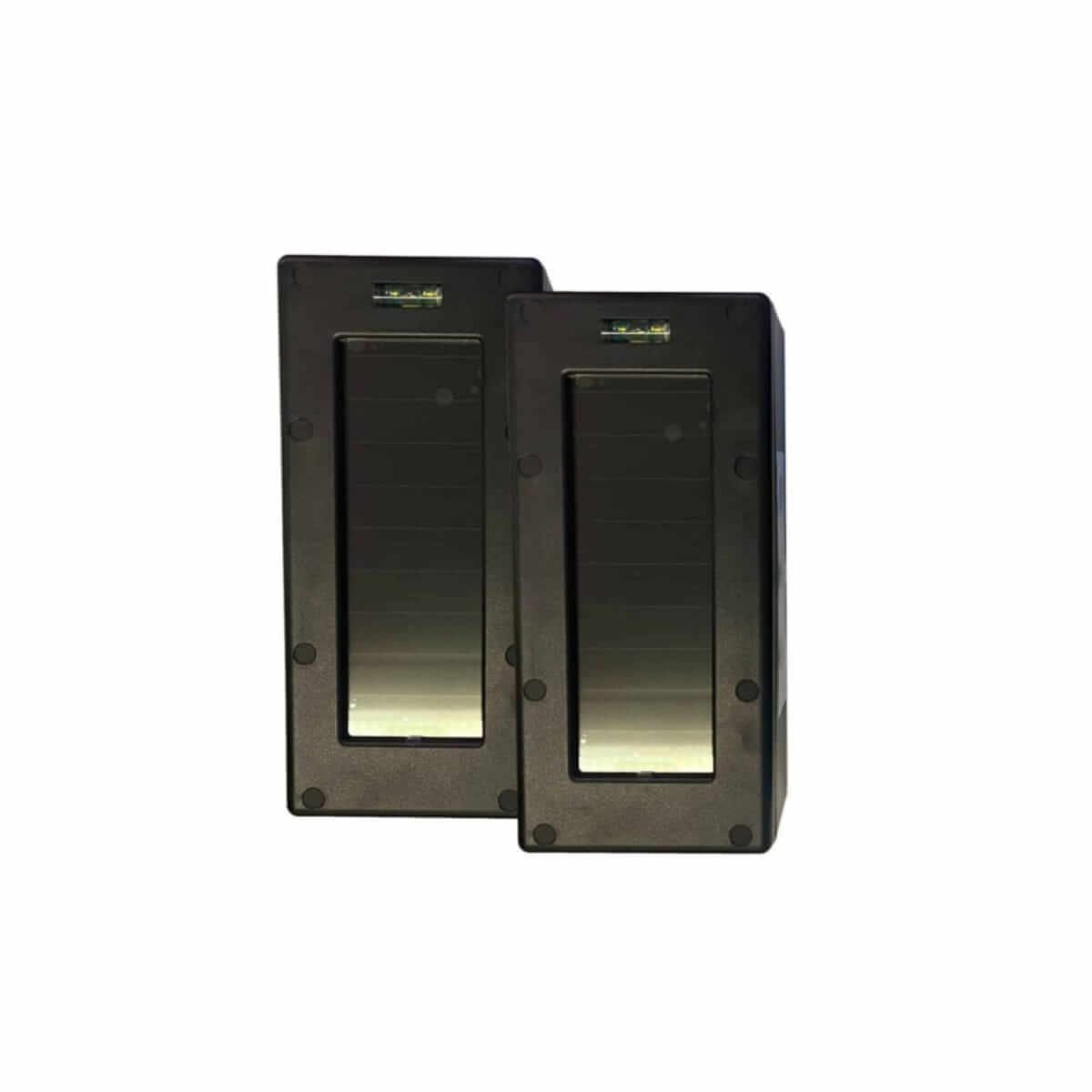
Typically, these products use a narrowly focused infrared beam that goes between two sensor-type devices; one of which produces and one that receives. When the beam is interrupted, the chime or sound goes off alerting you to customers. The technology is pretty simple when you think about it and this handy product is a great solution for any business. Beam Entrance Alerts typically use either PIR (Passive Infrared) or break beam (reflector shoots beam back, triggered when broken) to detect motion or movement through a monitored zone.
They are in essence, an integral part of your customer service team. They can serve multiple purposes, although they are most often used as part of a much larger security-type system. With an invisible beam, it is no longer necessary to hover around the front door, waiting for the next customer.
These versatile products can also be used at home to keep people from entering your home if need be. They are a great addition to any home security system and they are especially useful for people who simply cannot hear a knock at the door. Typically the chimes are adjustable, so they can be raised or lowered to the perfect pitch.
It seems that in the end, the invisible beam is not really a thing of the future, but a handy application that can be used right here and right now, for a myriad of purposes. Entrance alerts are great products and may be used to greatly enhance your current security or customer service programs. Here are some popular options:
Model BALERT – Beam Alert for monitoring doorways and other applications
The creative genius of rednecks never ceases to amaze me. These doorbells are sure to make you chuckle. Check out the top 20 most ridiculous redneck doorbells below. The next time you are driving down a country road, keep your eyes peeled for these creative redneck doorbells. You might just get a good chuckle out of them.
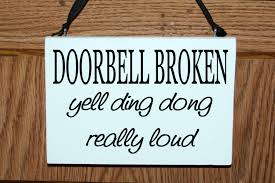
This one is just a simple sign that reads “Doorbell is broken, yell ding dong really loud.” But it’s creative in its own way, and would definitely work if you had noisy neighbors.
This redneck doorbell should be called a cowboy doorbell. It is a creative use of an old cowboy bell. I can just imagine the look on the UPS guy’s face when he walks up to this house. Dinner? What are you cooking?
This is an interesting doorbell posted next to the front door of a house. What happened to the rest of the gun? If you notice, one of the bullet cartridges is a light push button. Push at your own risk!
Push and Run! That’s what I would be thinking after seeing this pistol-shaped wired doorbell button. Not the most inviting one I’ve seen, but who am I to judge?
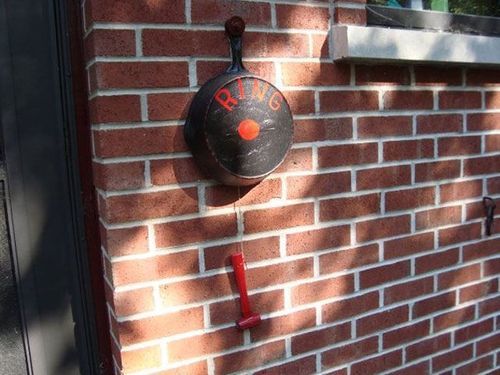
Pick up the hammer and bank the skittle. These homeowners must not have kids. Mine would be banging the pan all day long. With the price of steel these days, this one actually more expensive than a real doorbell button. I wonder if they cook with this skittle door dinner? Is it a seasoned skillet?
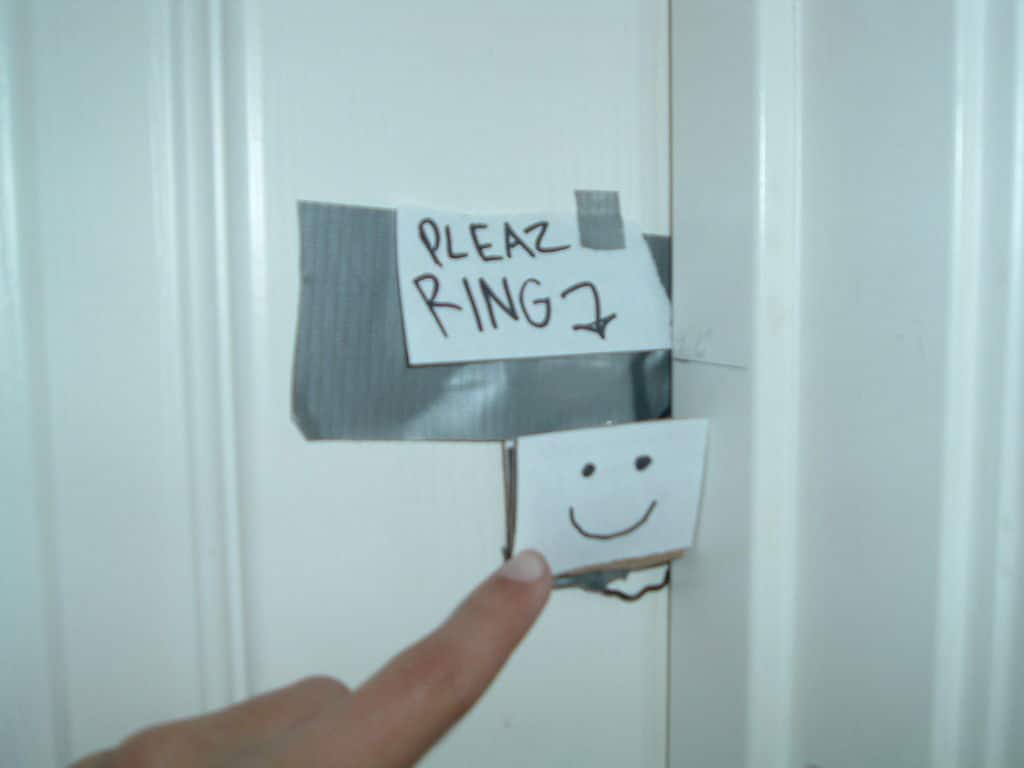
I’m not really sure what to think of this one. Duct tape is great, but it will only last so long. This looks like a shortcut on the “honey-do” list. “Honey, how did you install the doorbell so fast?”
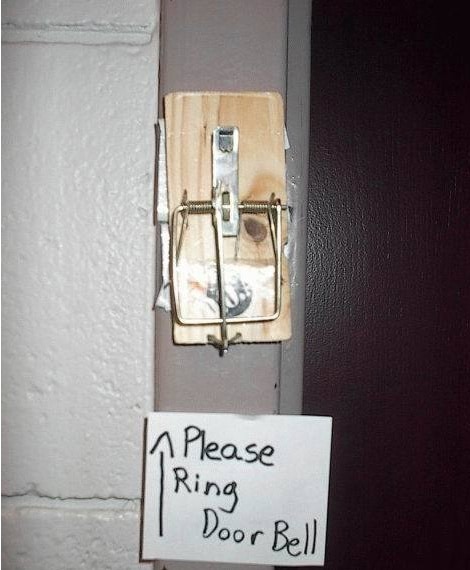
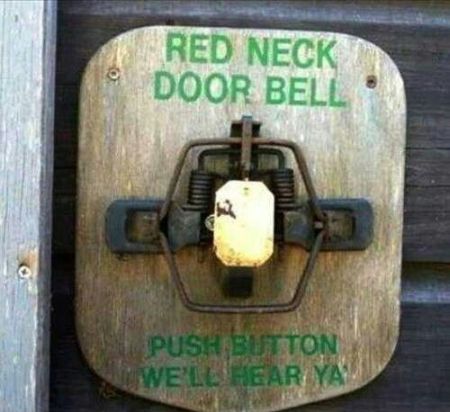
This doorbell button and the one below fit into a new category “least inviting doorbell buttons.” I’m not sure if there was ever cheese in this mouse trap, but I cannot imagine anyone in their right mind would press it.
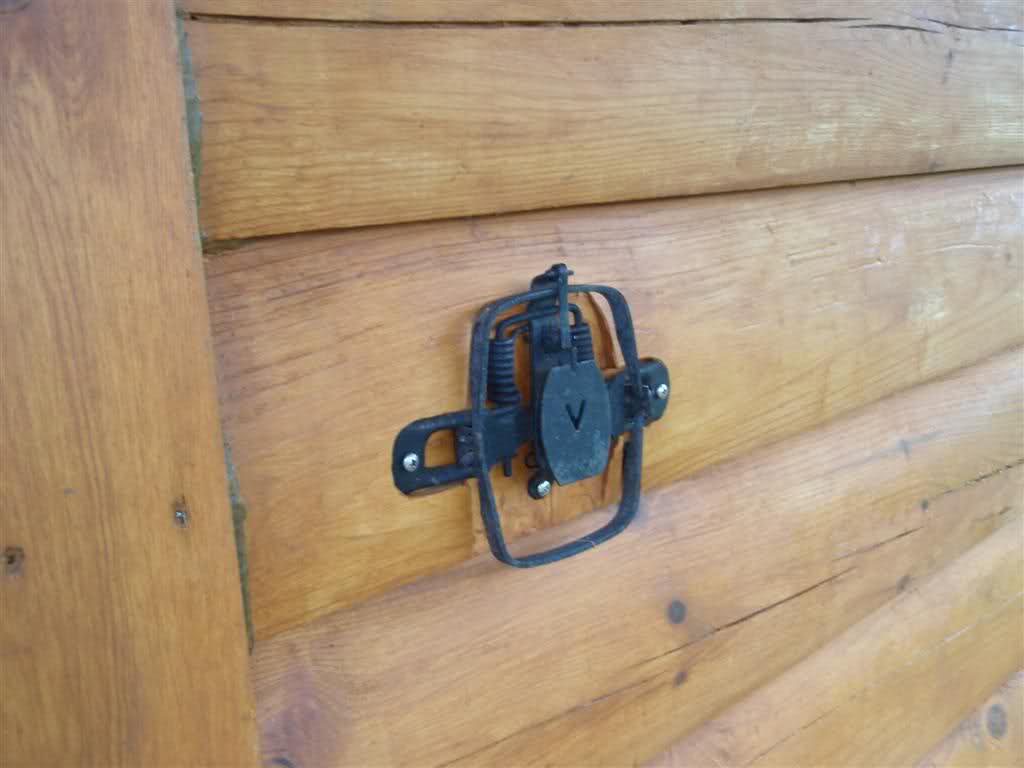
If I were a bear trapper, this might be my go-to push button. I think there needs to be a “push at your own risk” sign right next to this one. Not sure if you can read the sign, but after reading it, I get it. Press the red circle, let out a scream as you see your crushed finger, and if anyone is home, I’m sure they will come to the door. Have your phone ready to dial 9-1-1 after this one. Does anyone know a good attorney?
OLYMPUS DIGITAL CAMERA
What’s up with the traps? This homeowner has a funny sense of humor or doesn’t like people.
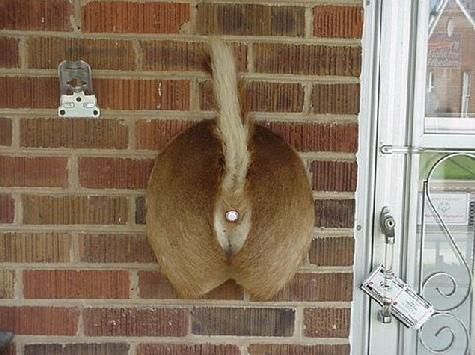
Not sure what to say about this one. I would be very hesitant to push the “red” button in the center of this one. My next question is, what kind of animal is that? Did they have to drill out a hole for the wired push button center? Is it lighted at night? Creepy at best.
Similar to the above, this dude is very proud of his hunting prowess. Where’s the rest of the deer? Where is the other end of it? If this homeowner was serious, the would mount the front of the deer on the other side of the wall.
Is the button anatomically in the correct position? This one is certainly creepy, don’t get me wrong.
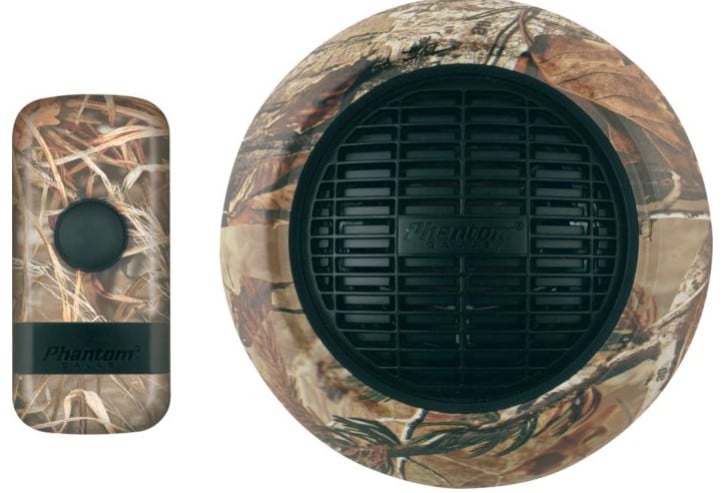
I have to admit, this one is kind of cool. It does present a little problem though. If your front doorbell wireless push button is camouflaged, wouldn’t it be a little hard to see? I think a good swath of hunter orange might be appropriate here.
I wonder if that bottle is recycled. This homeowner certainly takes advantage of recycled products. Did they find it on the side of the road? If you look at the bottle, it looks like people have actually shaken it. Can’t be very expensive.
At least use a real beer can dude.
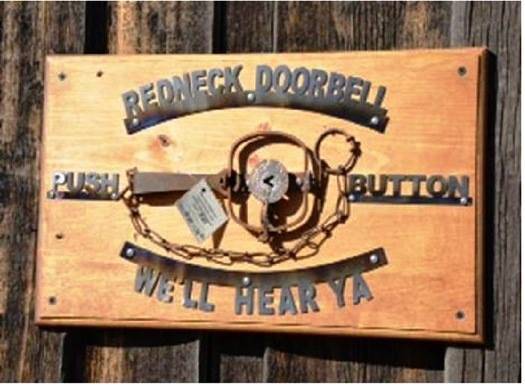
What’s up with the traps? I can’t see this as a cheap one because they have a nice piece of wood they mounted the trap on and used some cool metalwork to explain what it is. I wonder what the small tag says? Maybe stating they are not liable for missing fingers?
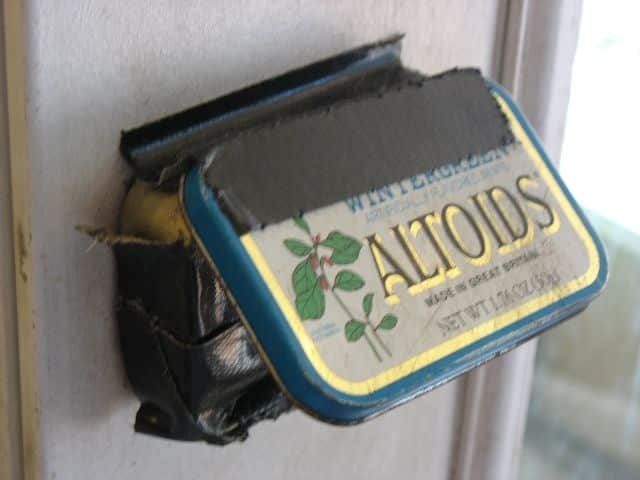
I definitely like the resourcefulness. You know, I have a good friend who cannot eat a whole Altoid–he says they’re too hot. It would take him quite a while to get through this case of mints. I would really like to know what’s under the cover. There’s an abundance of duct tape in use here. The hinges must have rusted off. This has to be the cheapest one.
Home security is a significant concern for everyone. You close your windows, lock your doors, and put down the Charley bar on the patio door, but is that enough? You want your property to be protected, and, more importantly, your family to be protected when you’re home. You want additional security that can deter people who are considering breaking into your home, or that will warn you if someone approaches unexpectedly.
A motion sensor dog barking alarm is an entry alert that can be a great choice for both of these purposes. The sound will alert you when someone approaches the house. They can also deter burglars from deciding to enter a home. But do they work?
Dogs Are Effective Deterrents to Burglary
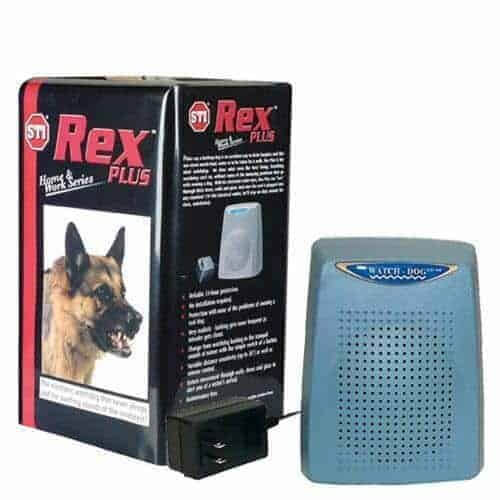
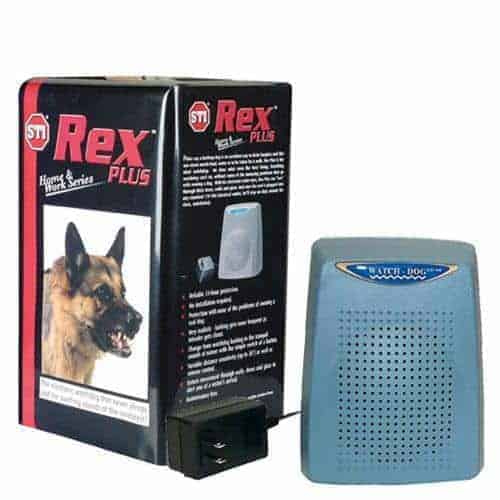
STI REX Dog Barking Entry Alert Entrance Alert
Several studies of criminals have confirmed that dogs are an effective deterrent to burglary. From an informal standpoint, Jack MacLean in Secrets of a Superthief (1955) interviewed over 300 prison inmates, of whom 65% reported that a large, unfriendly dog would scare them away. However, when he reassessed their responses, he concluded that many who said they weren’t afraid of a dog were lying, and said that 95% of burglars would be deterred by a dog. A dog was second only to people in the house for scaring away burglars.
This evidence is confirmed in In Their Own Words: Criminals on Crime (1999), edited by P. Cromwell. In The Experience of Being Burgled (1994) by P. Nicholson, objective statistics confirm that houses with dogs are less likely to be burgled than those without dogs.
A 2012 report from The University of North Carolina (UNC) at Charlotte Department of Criminal Justice & Criminology also notes that dogs effectively deter burglaries.
Problems with Dog Ownership
Although dogs are effective at deterring burglaries, there are many reasons why people looking for additional security might not want to own a dog. These include:
Cost: Dogs are expensive to buy and maintain.
Time: Dogs take time to care for.
Mess: Dogs produce waste either on the property or during walks. They can track mud and dirt into the house, may roll in animal carcasses, or have unfortunate encounters with skunks.
Property: Dogs can sometimes be damaging to a property. Large dogs, especially, can cause significant damage to a yard and furniture.
Allergies: Many people are allergic to dogs.
Safety: Dogs can sometimes be a danger to their owners, children, and visitors to the home.
Lease: Renters may not be allowed to have a dog on the property.
Dislike: Some people may just dislike dogs.
For all of these reasons, many people may think that the protection afforded by a dog is just not worth the trouble. This makes a dog substitute like an electronic watchdog an appealing option.
Why Electronic Watchdogs Can Be Effective
Fake dog barking alarms may seem like a long way from deterring criminals, but many things work in the favor of these motion-activated barking dog alarms.
First, it’s a mistake to assume that it’s the actual dog that deters criminals. Although many are afraid of dogs, they are often just as concerned about the noise dogs make. Criminals want to be able to enter your home quickly and quietly to be able to take what they want and escape. A dog–or a fake dog barking alarm–prevents that.
Many people are concerned that the repetitive pattern of a barking dog alarm would give away that it’s not a real dog, but this may not be as much of a concern as you think. Contrary to what you see on TV and in movies, the UNC study notes that less than a third of burglars gather intelligence about the homes they burglarize before attempting. Instead, burglars are making decisions about whether to proceed or abort the burglary when they reach the home. At the moment they are attempting, a burglar likely doesn’t have the time or clarity of mind to discern the difference between an actual or a fake barking dog.
A fake barking dog also does one of the most important things you want a real dog for waking you up if someone comes to the door. It doesn’t matter if it’s a real dog or a fake one in this case.
Fake barking dog alarms are also effective against nonhuman intruders. The Bear League noted that a fake barking dog alarm is effective at preventing black bears from raiding residents’ trash cans. These intruders can’t tell the difference between a real dog and a fake one.
How to Choose a Dog Barking Alarm
Although dog barking alarms have the potential to be effective, whether they are effective or not depends on the features of the alarm. Here are some key things to look for:
Sensitivity: The dog barking alarm should be able to sense movement through walls, doors, and windows.
Range: You want a dog barking alarm that can detect intruders and visitors from far enough away.
Ease: You want a dog barking alarm that can be installed quickly and easily.
Adjustable: You want to be able to set the alarm up to detect intruders at the right distance, eliminating false alarms that will reduce the effectiveness.
Volume Control: You want the alarm to be loud enough to be heard, but not disruptive.
Adaptable: Plugging into a wall outlet is an easy way to power most dog barking alarms, but sometimes you might need the flexibility of a battery-powered unit.
Wide Angle: Barking dog alarms don’t detect over the full 360-degree circle (though reflected radar waves may make it seem so). After all, you don’t want it going off when you’re walking around your home. But a wide angle can help you get good coverage of the approach to your home.
Realism: The best alarms simulate the way a real dog responds to an intruder, with an isolated bark if the intruder is far away, increasing in frequency and volume as the intruder approaches.
Selection of Tones: It is nice to be able to select from several different sounds the alarm can make. This includes the ability to change from a barking dog to an alert tone during the day for convenience. This can be especially beneficial to businesses that don’t want a barking dog to scare their clients during the day.
Siren: Once an intruder has been at a certain distance from the dog barking alarm for a certain amount of time, it’s clear the alarm isn’t working as a deterrent. At this point, you might want the alarm to switch to a siren that is a more clear-cut warning that someone is entering the house.
Durable: You want a barking dog alarm that is sturdy and won’t be damaged by people bumping up against it. You also want one that will continue functioning for a long period.
Warranty: A warranty from the manufacturer or retailer protects you against many potential problems and can serve as a guarantee of quality.
Cost: It’s unlikely that a dog barking alarm will be anywhere near as expensive as an actual dog, but if cost is a factor, make sure you consider operational as well as the purchase price.
Considering these factors, the Rex Plus Electronic Watchdog is a good choice.
Product Details: The Rex Plus barking alarm allows you to have the sound of a barking dog without the need for an actual dog. The sound can be an effective burglar deterrent. Rex Plus uses radar to detect motion even through thick, dense walls and multiple pained windows. Can stay on duty around the clock or be beset with a simple informative alarm or pleasant background noise during the day. Rex Plus is an ideal security device for residential and commercial applications. Adjustable detection sensitivity and a wide detection angle allow you to use this product virtually anywhere you want to watch for intruders. The detection ability of this barking dog alarm was tested and verified by Consumer Reports.
Product Features:
Radar Sensor: detects movement through walls, doors, and windows
Adjustable Sensing: Turn sensitivity up or down to reduce false alarms and detect intruders at the right distance.
150 Degree Detection Arc: 50% larger than competing barking dog alarms. Reflected waves increase the detection area.
Long Range Detection: Up to 30 feet.
Flexible Power: Plugs into any standard electrical outlet.
Realistic Response: Barking gets louder and more frequent as motion approaches
Adjustable Sound: Two different dog sounds, a combination of dogs, two sirens, three chimes, and a background noise setting.
Adjustable Volume: Set it to be heard through your door, but not so loud it deafens you or your visitors.
Ease of Operation: Ready to use out of the box with easy controls and voice prompt for setup.
Limited 90 Day Warranty
*Unfortunately, the product may not work in homes with metal siding, metal roofs, metal doors, and stucco siding as metal interferes with radar detection.
What Reviewers Say:
Overall, the response to Rex Plus has been very positive. More than two-thirds (68%) of reviewers gave the product 4- or 5 stars. Common aspects of the product that were praised include the realistic sound of the barking, especially through doors, the ease of setup, and the effectiveness of detection. Some reviewers have had neighbors ask about their dogs. Few reviewers had difficulty setting up or adjusting the product. One reviewer notes that they had a similar detector for 14 years before buying a replacement. At least one reviewer notes that although the sound didn’t deter a burglar, it awoke him and he was able to deter the burglar.
When reviewers had complaints, they generally fell into three categories: unrealistic barking sound, inability to detect motion in some places, and oversensitivity. The realism of barking sounds is a judgment call, and may not matter (see Why Electronic Watchdogs Can Be Effective above). The inability to detect motion and oversensitivity both come from the same source: reflective walls that bounce back the radar waves.
For more information about this product, or any product carried at secure.1800doorbell.com, please feel free to give us a call at 800-366-7235 or send us an email at info@secure.1800doorbell.com.
Why Choose LED Candles? When it comes to home decorating, LED candles offer many benefits. First of all, flameless LED candles have essentially no fire risk. A bright led candle looks like a real flame from a distance, without the risk of fire.
With LED candles, you can put them up in your window near even gauzy window treatments, paper Halloween cutouts, or old dry Christmas decorations that have been in your family for generations without worrying that they will catch fire.
Battery candles also have a much longer lifespan than flaming candles. With the low power consumption of LED candle bulbs, batteries last a long time, making flameless LED candles much less expensive to run than flaming candles. And when batteries run out, you can replace them with new ones for even more cost savings. Some even have rechargeable batteries included and plug-ins to run for pennies on the dollar compared to flaming candles. You don’t have to worry about turning them on and off.
Battery-operated window candles with timers are standard, or you can select one with a photocell that comes on automatically when it gets dark. Many have both, which also helps to preserve the battery life. These flickering flameless candles look beautiful. They create a very nice effect that will make your window the envy of the neighborhood or make a great impression when you want to have a formal dinner for someone special.
How to Choose the Best LED Candles
If you are trying to select the best electric candles, it’s essential to consider what you need them for and what options you are looking for. Here’s a guide to some of the most important factors to consider:
Style: When choosing a decorative item like a flickering flameless candle, the most important consideration is whether it has the proper style. Are you looking for an LED votive candle or a flameless Halloween candle? What color is right for you? Do you want a more contemporary or old-fashioned appearance? Is your decor urban or rustic? Many LED candles come in a variety of colors, so you can find just the right one for your home.
Size: Is the electric candle the right height for where you plan to display it? Is it narrow enough to sit on the ledge of the windowsill?
Quality of appearance: It’s also important to consider the quality of the appearance. Does the LED candle look like a wax candle, or does it look too plastic? What about the base’s simulation, metal, glass, or wood? Is the flickering effect realistic?
Output: LED candles can be very bright, but not all are. You may want your candle to emit a soft glow, or you may want it to give off a significant amount of light. Determining how much light output you will get from an LED candle is essential before deciding if it’s right for your purpose. Note that you might need a brighter candle if you live in an area with a lot of light pollution.
Purpose: When considering LED candles, it’s important to remember what they are intended for. If you’re looking for a battery operated window candle, it’s not going to be seen from as close up as a candle that’s intended to sit on the table during dinner. Light output matters more than the appearance of the base.
Placement: Are you going to place your LED candle inside or outside? Many LED candles are intended for indoor use. If they are taken outside, it should only be for short periods and taken in during bad weather. They should not be left outside unattended. Other LED candles are intended for outdoor use and can be left outside for extended periods.
Power: Electric candles can get their power from many different sources. Battery candles are the most common because they are very flexible and convenient. Battery candles can be used with many different types of batteries, such as AAA, AA, C, or a built-in rechargeable. Some electric candles can be plugged into an outlet.
Battery Life: Not all battery candles conserve battery power well. This can dramatically impact the cost-benefit of using a battery candle compared to a flaming candle.
Durability: Is the LED candle built to take some punishment? This can be especially important if you’re looking for a flameless Halloween candle to put on the porch where trick-or-treaters may knock it over dozens of times that night.
Warranty: Does a manufacturer’s warranty protect the electric candle? How long is the warranty? What does it cover?
Reputation: Some companies have been producing LED candles for a long time and have built a reputation for quality products. Others may be trying to put out cheap products to make a quick sale and don’t care if they get a bad reputation.
Cost: Electric candles are less expensive than wax candles but come in various costs. In general, the price of the LED candle will tell you the quality, but if you read reviews, you can sometimes find a good bargain. Cost also depends on style, so if you’re flexible on style, you can find deals.
Features: Many LED candles have a light sensor that only comes on when it’s dark. Others have timers that allow you to set when they come on and when they turn off. Some may even have remote controls or built-in speakers that allow them to serve as music players. However, features come with a cost that might not be worth it if they’re not what you want.
Many of these questions can be answered by reviewing the product description in detail, but in other cases, the best way to determine which LED candle is best for you is to look at reviews from previous owners.
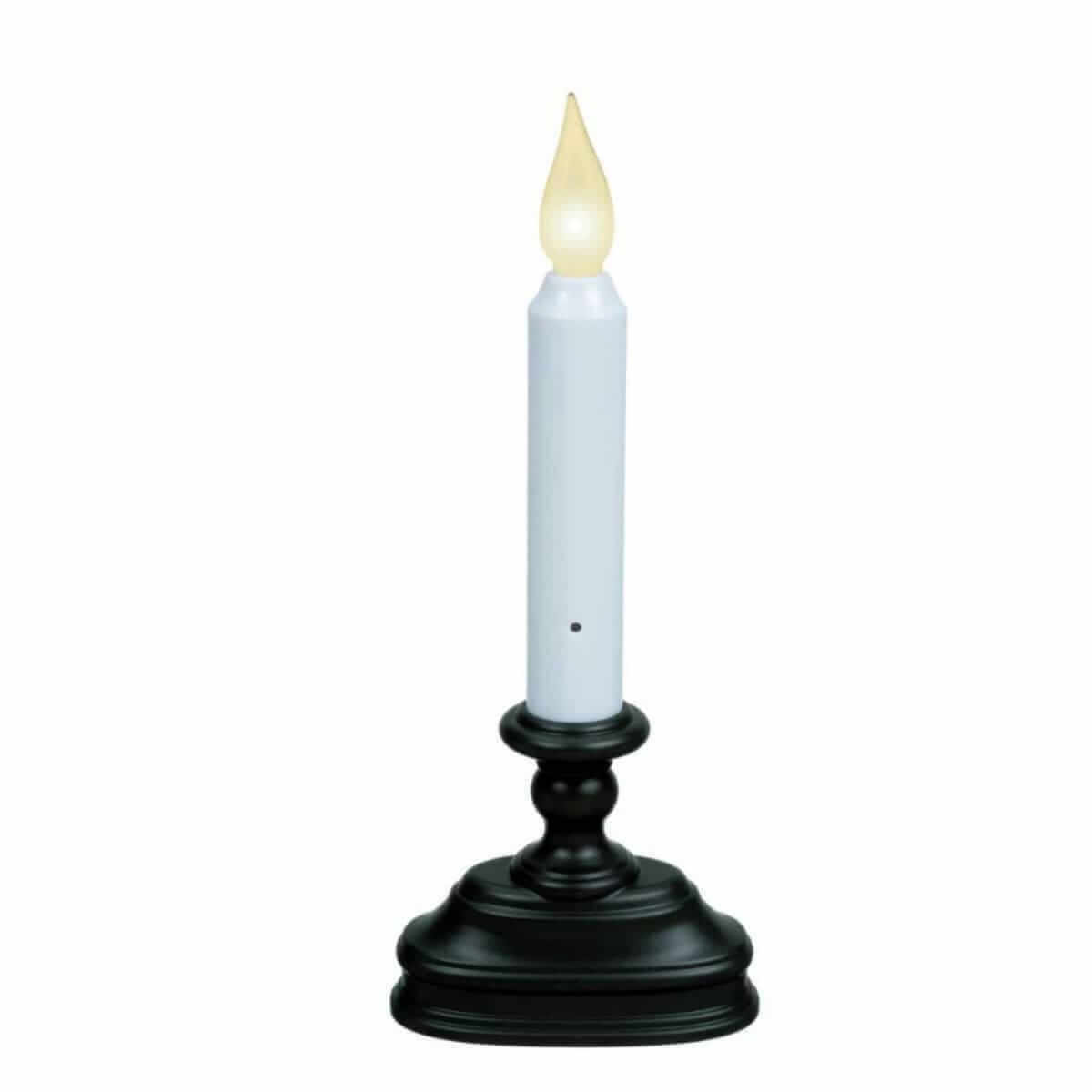
Product Details: Manufactured by Thomas and Betts, this LED window candle has a yellow/orange burning bulb powered by two “C” batteries. These batteries are long-lasting (typically an entire season), and the LED candle can be set to give off a constant light or to flicker. This candle has a narrow base that will allow it to sit on a windowsill, but for even narrower windows, a small clear plastic clip can help secure the candle to the window. A light sensor allows the candle to turn on automatically at dusk and turn off at dawn. The LED bulb doesn’t generate heat, making it safe to leave unsupervised.
Product Features:
LED Bulb lasts for thousands of hours
It uses 2 “C” Batteries that typically last an entire season
Light Sensor turns light on at dusk and off at dawn
3 Position Setting Switch choose full-on, flickering, or off
Windowsill Mounting Clip allows light to be displayed on a very narrow sill
Available in 3 Colors: Brass, pewter, and aged bronze
Product Details: These LED flameless candles are perfect for your holiday decorations. Classic styling and modern technology give a realistic, attractive, and worry-free electric candle. These battery candles have a white light that flickers when on to give a realistic-looking flame. The candle uses three AA batteries that will last about a month, thanks to the light sensor that automatically turns it on when it gets dark and off when the sun comes up in the morning. These electric candles are made by Carlon, who has been manufacturing them for years and is constantly improving their design.
Product Features:
White Bright LED Candle bulb will last virtually a lifetime
When on, the light flickers realistically
Built-in Photo Sensor turns light on at dusk and off at dawn
Requires 3 AA Batteries (not included) that last about 30 days
Cool to the Touch, no fire or burn risk
Three Color Options: Aged bronze, pewter, and brass
What Reviewers Say: One reviewer compared this light favorably with similar lights on the market, noting that he bought and returned many others before finding these. The construction, he says, is far superior to other options on the market. Other reviewers praised the color of the light as avoiding the peril of some LED candles looking too blue or too orange. Also great is how the battery weight at the bottom makes the candles hard to tip over, even when cats share the window with them. Reviewers also praise the convenience of a battery candle that doesn’t need extension cords. People who did not like this candle objected to the fact that some advertisements claim it has a constant “on” setting when it doesn’t, just off and flickers. The flicker setting did not seem realistic to a small minority of buyers.
Product Description: This is a 12″ taper LED candle. It comes in white, green, and red. It has a yellow LED that flickers realistically. The electric candles are designed to fit in most candle holders. They also have a built-in timer that turns the candles on at the same time every day and off after six hours. The candles come in white, red, and green.
Product Features:
LED Light Source generates no heat
Yellow Colored Light
Realistic Flickering Light
Built-in Timer turns the candle on each day, then turns off after six hours.
Uses 3 AA Batteries (Not included)
Operates for 300 Hours on a set of batteries–50 days if left on with the timer
Three Color Options: White, red, and green
Flexible Base helps the candle adapt to a wide variety of candle holders
What Reviewers Say: Reviewers like these LED votive candles for their attractiveness and realism. They also praise the ease of charging and the longevity of the charge, which one reviewer puts at 3 days. Reviewers also like the durability of these LED votive candles. One reviewer notes using them for six months with no problems, while another talks about having a two-year set still functioning when they bought a second set to use elsewhere.
Product Details: This candelabra features three LED candles on a narrow base appropriate for standing on most window sills. It comes with a mounting clip that helps make it secure even on narrow windows. They are made of shatter-resistant plastic, with three colors for the base: aged bronze, antique brass, or pewter. The LED bulb lasts a lifetime and gives a white light without heat. The light can be set to either a continuous light or a flickering but flameless candlelight. The LED candles also have a light sensor that allows them to come on automatically at dusk and turn off at dawn.
Product Features:
LED Bulbs give white light with no heat and last a lifetime
9″ L x 1 3/4″ D x 10″ H
Shatter-resistant Plastic
Three Color Options: aged bronze, antique brass, and pewter
Window Mounting Clip (Included) for securing candelabra on narrow window sills
Realistic Flicker or continuous light option
Uses 3 D Batteries (not included) that last an entire season
Light Sensor turns LED candles on at dusk and off at dawn
led candle fpc1530b bright led candle
Most reviewers report using them for the season and that the battery life is adequate for that time (over a month), but reviewers that use them beyond the holiday report a battery life of about 70 days. The most common complaint among negative reviews is that the lights are not bright enough. 83% of reviewers rated these as a 4- or 5-star product. If you are looking for a way to add ambiance to any decorating scheme, LED candles are a great choice. They are very safe, inexpensive to buy and run, and attractive.
They also come in various styles, from Christmas LED candles to flameless Halloween candles, including taper and LED votive candles. If you take the time to choose the best LED candles for your purpose, you are likely to be very happy with their appearance and function.
If you want additional information about our LED Holiday candles, please call us at 800-366-7235 or at info@secure.1800doorbell.com.
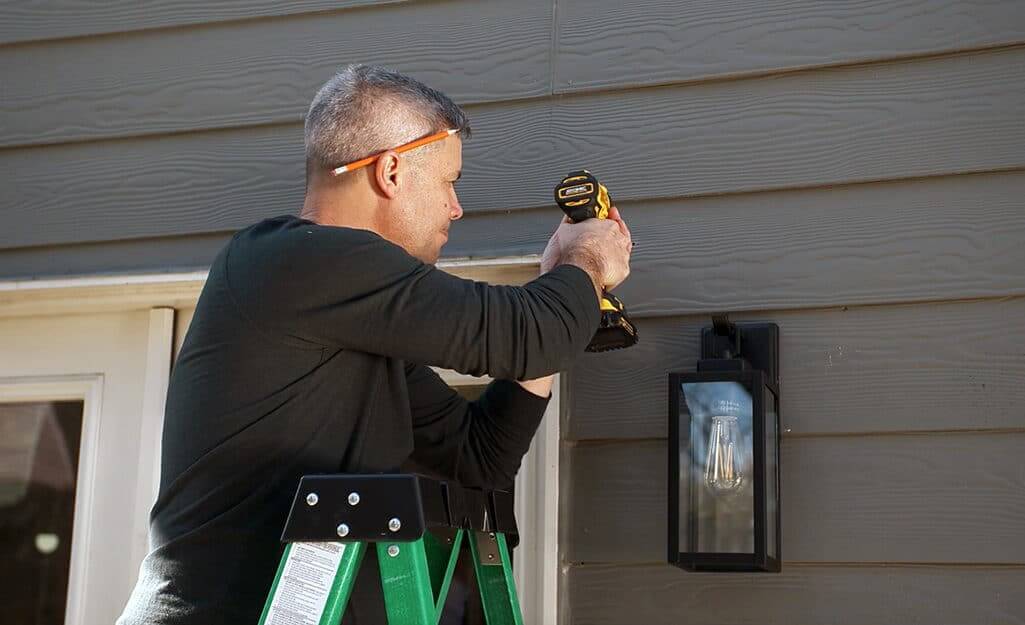
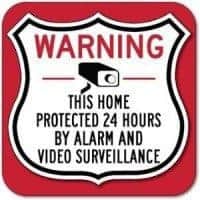 The simplest and most low-tech home alarm solution is also the easiest to install. We’re talking about a deterrent system. You might opt to purchase home alarm signage for your lawn or to post it on your fence or garage. Even if you go no further, you will cause any thief to think twice and hopefully move right along. Dummy video cameras: A professional burglar or someone who is desperate to get into your home, however, would require additional home security measures beyond just home security signage. Next in price and ease of installation is the dummy camera or dummy video surveillance. (Sometimes these are referred to as CCTV or closed-circuit television systems.) Dummy security systems are very popular and many of the surveillance cameras you see on homes in your neighborhood may be non-functional and fake. This is an economical solution to help keep your family, home, and property safe.