1800doorbell

Blog

  • The Ultimate Guide to Driveway Alarms: Protecting Your Home’s First Line of Defense

    The Ultimate Guide to Driveway Alarms: Protecting Your Home’s First Line of Defense

    Your driveway serves as more than just parking spaceโ€”it’s your property’s first checkpoint. Installing a driveway alarm system gives you advance notice of anyone approaching your home, whether that’s a welcome visitor, delivery driver, or potential security concern. With so many options available, choosing the right system can feel overwhelming, but the investment in early detection pays dividends in security and peace of mind.

    The Value of Early Detection

    A driveway alarm functions as your property’s advance warning system. Rather than discovering someone at your door after they’ve already approached, you receive notification the moment they enter your driveway perimeter. This early detection provides valuable time to assess the situation, prepare for expected guests, or respond appropriately to unexpected visitors.

    Understanding Detection Technologies

    Modern wireless driveway alarms use different detection methods, each with distinct advantages depending on your specific needs and environment:

    Wireless Installation Benefits

    • Straightforward DIY installation without professional wiring
    • Flexible sensor placement options
    • Battery or solar power eliminates electrical connections
    • Easy relocation when needed
    • Expandable systems accommodate additional sensors and receivers

    Detection Method Comparison

    The right sensor technology depends on your monitoring preferences and environmental factors:

    1. Infrared Motion Detection: These sensors respond to heat signatures from people, vehicles, and large animals. They’re effective for comprehensive monitoring but may trigger false alarms from wildlife in rural areas. Best for residential properties where you want notification of any movement.
    2. Magnetic Vehicle Detection: Specifically designed to detect metallic objects like cars and trucks while ignoring pedestrians and animals. Ideal for properties where vehicle-only notification is preferred, such as commercial facilities or homes with frequent foot traffic you don’t need to monitor.
    3. Pneumatic Pressure Sensors: Based on the proven technology used at gas stations and traffic counters, these rubber hose sensors trigger only when vehicles drive over them. They offer the most reliable vehicle detection with virtually zero false alarms, making them perfect for paved driveways with clear entry points.

    Understanding Wireless Range Limitations

    When evaluating wireless driveway alarm systems, remember that advertised ranges reflect optimal conditions with clear line-of-sight between sensor and receiver. Manufacturers like Dakota Alert often cite impressive distances like 5,000 feet, but real-world performance varies significantly based on obstacles.

    Physical barriers reduce signal strength substantially. Brick walls can cut transmission range by 20% or more, while each interior wall may reduce it by another 10%. Dense forests, hills, and large buildings also interfere with wireless signals. For a 1,000-foot driveway, purchasing a system rated for only 1,000 feet could leave you with inadequate coverage once you account for signal obstacles.

    A practical approach involves selecting systems with at least double your measured distance requirement. This provides essential buffer against real-world signal interference. Quality manufacturers with established reputations for long-range performance offer better reliability than budget alternatives that may promise similar ranges but fail to deliver consistent performance.

    Key Features to Consider

    Essential Capabilities

    • Detection range suited to your property layout
    • Adjustable sensitivity to minimize false alarms
    • Weather-resistant construction for outdoor exposure
    • Dependable power source with reasonable battery life
    • Clear, distinctive alert sounds

    Advanced Options

    • Smart home system compatibility
    • Multiple receiver capability for whole-house coverage
    • Selectable alert tones for different zones
    • Solar charging for remote installations
    • Smartphone integration and remote notifications

    Professional-Grade Systems Worth Considering

    Dakota Alert DCMA-4K-PLUS: Extended Range Motion Detection

    Best suited for: Large residential properties, commercial facilities, and estates requiring long-range monitoring
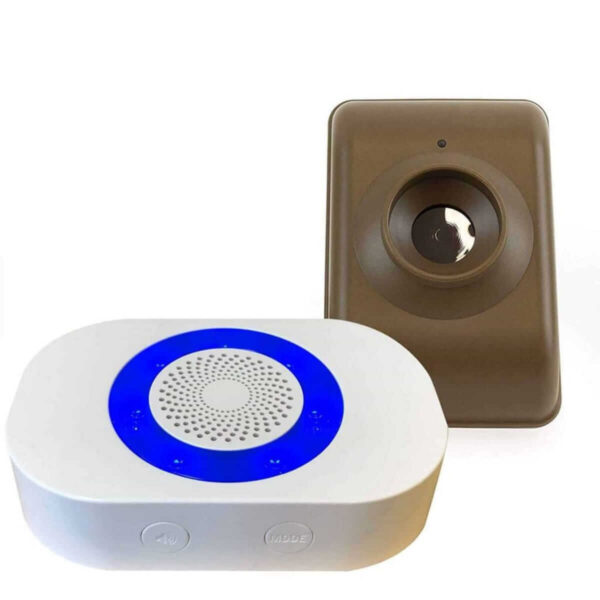
    DCMA-4K-PLUS Dakota Alert One Mile Distance Driveway Alarm With 12V DC Outputs
    DCMA-4K PLUS Dakota Alert

    Technical Specifications:

    • Transmission Range: Up to 5,000 feet (one mile) under optimal conditions
    • Detection Coverage: 50-foot infrared beam with adjustable sensitivity
    • Power Requirements: 9V battery sensor with AC-powered receiver
    • Additional Outputs: 12V DC connection for auxiliary security devices

    System Expansion Options:

    • Supports up to 16 different transmitters per receiver
    • Multiple receivers can monitor same sensor network
    • Cross-compatible with other Dakota 4000 series products
    • 16 different alert melodies with adjustable volume

    Installation Considerations:

    • Mount sensor perpendicular to monitored pathway
    • Choose concealed locations to prevent tampering
    • Works effectively for driveways, walkways, and property perimeters

    Installation Tip: The one-mile range rating provides substantial buffer against signal interference from buildings and terrain. This extra capacity ensures reliable performance even when obstacles reduce effective range.

    Key Advantages:

    • Exceptional range capability for the price point
    • Proven long-term reliability
    • All-weather performance rating
    • Multiple mounting configurations available

    Dakota Alert DCPA-4K-PLUS: Vehicle-Specific Magnetic Detection
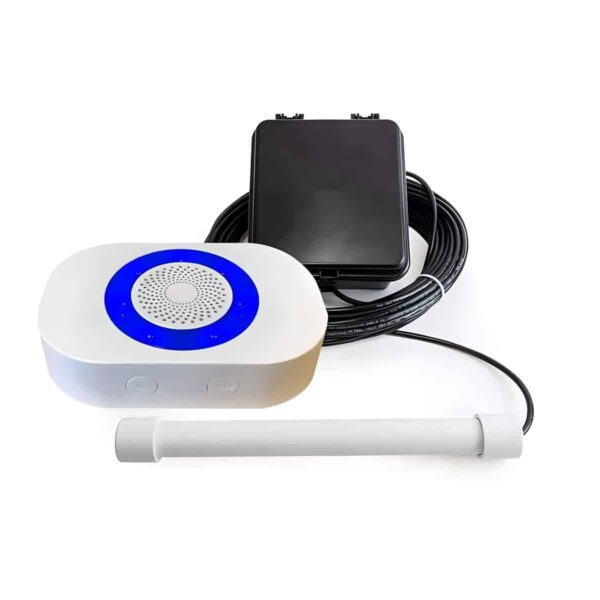
    DCPA-4K-PLUS Dakota Alert Driveway Alert System With Magnetic Driveway Sensor
    DCPA-4K-PLUS Dakota Alert Driveway Alert System

    Best suited for: Properties requiring concealed installation and vehicle-only detection

    Detection Technology:

    • Sensor Type: Buried magnetic probe with 12-13 foot detection radius
    • Operating Range: Functions reliably from -30ยฐF to 120ยฐF
    • Transmission Distance: Up to 5,000 feet line-of-sight
    • Power Source: Three CR123A lithium batteries for transmitter unit

    Installation Features:

    • Probe installs 3-12 inches underground for complete concealment
    • Includes 50 feet of burial cable (extensions available)
    • No visible components after installation
    • Works with all driveway surface types

    Alert System Capabilities:

    • Up to 16 unique transmitter identifications
    • Unlimited number of receivers supported
    • Adjustable volume and melody selection
    • 2 relay outputs plus 12V DC connection for system integration

    Application Note: Magnetic detection eliminates false triggers from pets, wildlife, and pedestrians, making this system ideal for rural properties and commercial facilities where vehicle monitoring is the primary concern.

    Common Applications:

    • Farm and ranch entrance monitoring
    • Gated community access points
    • Multi-driveway residential properties
    • Commercial facility vehicle tracking

    The magnetic detection technology provides highly selective monitoring, responding only to vehicles while maintaining complete invisibility after installation.

    ERA-DSRXPG Driveway Alarm: Commercial-Grade Detection System
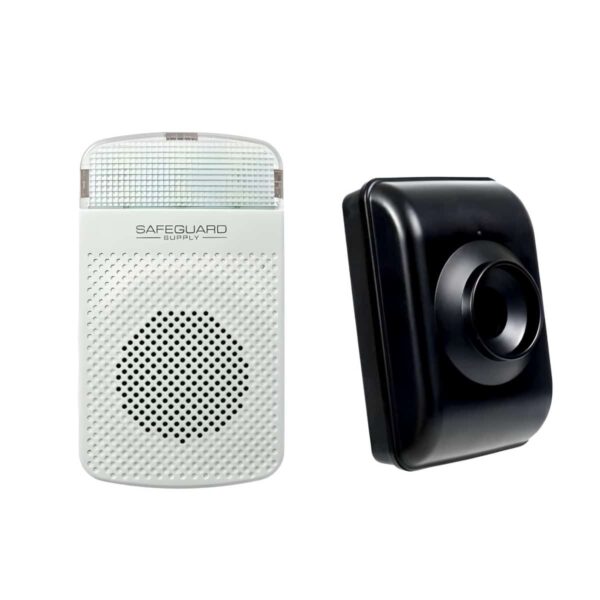
    ERA-DSRXPG long range driveway alarm monitoring kit With a plugin receiver image
    ERA-DSRXPG Long Range Driveway Alarm

    Best suited for: Commercial properties, warehouses, and residential installations requiring flexible alert options

    Performance Specifications:

    • Transmission Range: Up to 4,000 feet maximum distance
    • Detection Coverage: Selectable zones of 25, 50, or 100 feet
    • Alert Modes: Audio chime, visual strobe, or combination
    • Reset Timing: Adjustable from 10 to 120 seconds

    System Expansion:

    • Supports up to 12 sensors per receiver unit
    • Unlimited receiver installation capability
    • Compatible with other ERA product line components
    • Independent control of sound and strobe features

    Environmental Performance:

    • Weatherproof outdoor sensor rated for -30ยฐF to 120ยฐF
    • Environmental sensitivity filters reduce false alarms
    • LED transmission indicator for troubleshooting
    • 9V battery operation with 12-month typical life

    Commercial Application: Warehouses use this system to monitor multiple access points simultaneouslyโ€”loading docks, employee entrances, and visitor areasโ€”with distinct alert types identifying each zone.

    Distinguishing Features:

    • Advanced environmental filtering capabilities
    • Dual-function receiver with audio and visual alerts
    • Commercial-grade durability and construction
    • Professional mounting hardware included

    Dakota Alert DCRH-4000: Pneumatic Vehicle Detection System
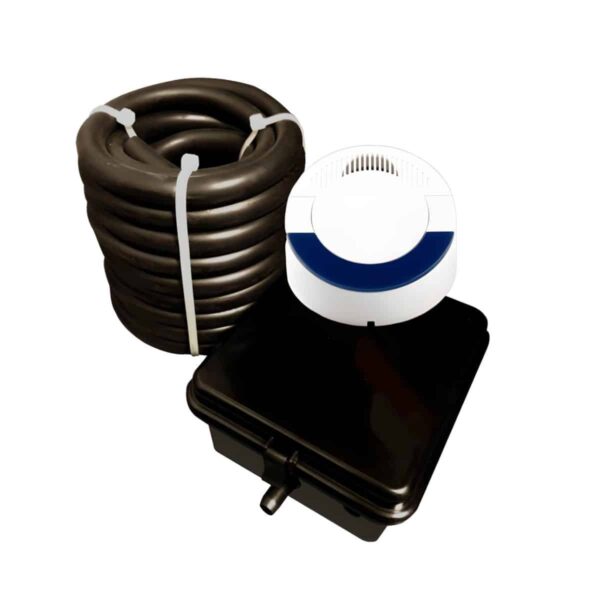
    DCRH000 Dakota Alert Rubber Hose Driveway Alarm With Wireless Receiver
    DCRH 4000 Dakota Alert Rubber Hose Driveway Alarm

    Best suited for: Paved driveways requiring zero false alarms and proven vehicle detection technology

    Proven Technology:

    • Detection Method: Pneumatic pressure sensing via rubber hose
    • Wireless Range: Up to 5,000 feet transmission distance
    • Included Hose: 25 feet of 3/8-inch diameter pressure tubing
    • Power Requirements: 9V battery transmitter with plug-in receiver

    Reliability Advantages:

    • Complete immunity to false alarms from wildlife or weather
    • Vehicle-specific activation eliminates pedestrian triggers
    • All-weather performance from -30ยฐF to 120ยฐF
    • Hose extensions available for wider coverage areas

    System Integration:

    • Supports up to 16 different transmitters per receiver
    • Unlimited receiver installation capability
    • 12 distinct melody options for zone identification
    • Cross-compatible with Dakota 4000 series components

    Expansion Tip: For driveways wider than 25 feet, additional hose sections connect using standard 3/8-inch barb fittings, allowing coverage of multiple lanes or entry points with a single transmitter.

    Key Benefits:

    • Time-tested pneumatic detection technology
    • Virtually elimination of false positive alerts
    • Simple installation on any solid surface
    • Dependable long-term operation

    Dakota Alert MURS-BS: Ultra Long-Range Communication System
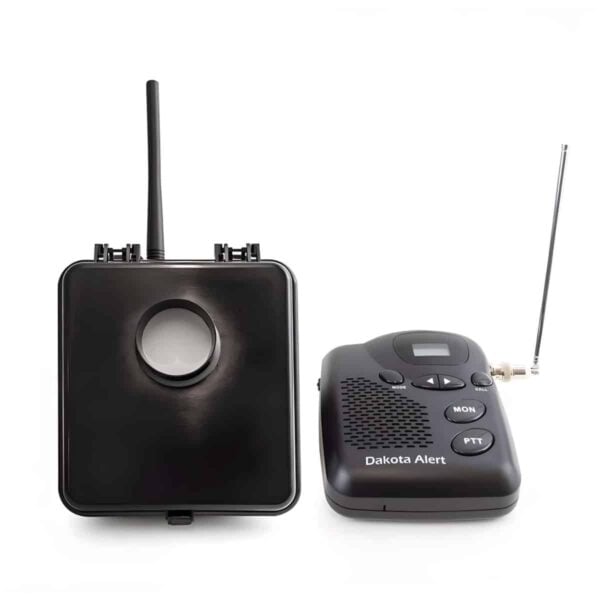
    MURS-BS Dakota Alert Driveway Motion Sensor
    MURS-BS Dakota Alert Motion Sensor

    Best suited for: Farms, ranches, and large commercial properties requiring multi-mile detection range

    Extended Range Capabilities:

    • Communication Range: Several miles depending on terrain
    • Technology: MURS (Multi-Use Radio Service) frequency
    • Alert Type: Voice announcements with zone identification
    • Zone Capacity: Monitors up to 4 different areas

    Professional Features:

    • License-free MURS frequency operation (US only)
    • BNC antenna connector for external range-extending antennas
    • Choice between desktop base station or portable handheld receiver
    • PIR motion detection with optional magnetic probe variant available

    Power and Performance:

    • Transmitter operates on 6 AA batteries with one-year typical life
    • Base station requires AC power connection
    • Handheld receiver offers 10-day rechargeable battery operation
    • All-weather construction for harsh environments

    Alternative Options: For vehicle-only detection over extended ranges, consider the MAPS-BS-KIT with magnetometer sensor (3-mile range) or the DCPA-4K-PLUS with magnetic probe (5,000-foot range).

    System Advantages:

    • Maximum available range for civilian applications
    • Professional voice alert system
    • Expandable multi-transmitter capability
    • Available only in the United States due to frequency regulations

    Professional Installation Guidelines

    1. Strategic Sensor Placement
    • Test signal strength before permanent installation
    • Maintain clear sight lines between sensor and monitored area
    • Account for seasonal vegetation growth
    • Position solar panels for optimal sun exposure
    • Mount sensors at appropriate height for target detection
    1. Ongoing System Maintenance
    • Regular sensor cleaning to remove dust and debris
    • Scheduled battery replacement based on manufacturer recommendations
    • Sensitivity adjustments for changing environmental conditions
    • Monthly system functionality testing

    Investment Considerations

    Quality driveway alarm systems typically range from $100 to $500, depending on features and coverage requirements. This investment provides several valuable returns:

    • Crime deterrence through early detection capability
    • Advance notification of expected and unexpected visitors
    • Potential property value enhancement
    • Possible homeowner insurance premium reductions

    Legal and Privacy Considerations

    Before installation, verify compliance with local regulations:

    • Review local ordinances regarding surveillance equipment
    • Communicate with neighbors about sensor placement near property lines
    • Post appropriate signage if required by local regulations
    • Ensure sensor positioning respects neighboring privacy boundaries

    Selecting the Right System

    Base your decision on these practical factors:

    1. Property dimensions and layout requirements
    2. Local climate and weather exposure
    3. Primary monitoring objectives (vehicles versus general movement)
    4. Available budget for initial purchase and ongoing maintenance
    5. Installation preference between DIY and professional setup

    The most effective driveway alarm system matches your specific property needs while providing reliable operation. Focus on essential functionality rather than unnecessary features, but ensure the system can handle your property’s unique requirements.

    Future-Proofing Your Security Investment

    Consider systems offering these expansion capabilities:

    • Additional sensor compatibility for property changes
    • Smart home integration for centralized monitoring
    • Firmware update capability for enhanced features
    • Cross-compatibility with other security system components

    Effective driveway monitoring provides significant security enhancement for residential and commercial properties. The key lies in selecting appropriate technology for your specific situation and ensuring reliable installation. Quality systems offer years of dependable service, providing both security benefits and peace of mind for property owners.
  • Is it Possible to Make a Doorbell Sound Louder?

    Is it Possible to Make a Doorbell Sound Louder?

    Struggling to Hear Your Doorbell? Here’s How to Fix It

    We’ve all been thereโ€”you’re expecting a package delivery or guest, but your wired doorbell is barely audible from the back of the house. Maybe you’ve missed important deliveries or kept visitors waiting simply because you couldn’t hear that faint chime. The good news? You don’t need to replace your entire doorbell system. Doorbell extenders offer a straightforward solution that works with your existing setup.

    Whether you’re dealing with a large home, background noise, or hearing difficulties, a doorbell extender can bridge the gap between your front door and wherever you spend your time. These devices essentially give your current doorbell a voice that carries throughout your entire home.

    In this guide, we’ll walk through the different types of doorbell extenders available, help you choose the right one for your situation, and show you how to set it up. We’ll also tackle the most common questions people have about extending their doorbell’s reach.

    The installation process is simpler than you might thinkโ€”no need to call an electrician for most setups. Whether you’re tech-savvy or prefer straightforward solutions, there’s likely an option that will work for your home and budget.

    Ready to never miss another doorbell ring? Let’s explore how doorbell extenders can solve your hearing problems once and for all.

    Understanding Doorbell Extenders

    A doorbell extender works like an amplifier for your existing doorbell system. Think of it as adding extra speakers throughout your home that all respond when someone presses your doorbell button. The beauty is that you keep your current doorbell exactly as it isโ€”the extender simply multiplies its reach.

    There are two main approaches to extending your doorbell’s range, and the right choice depends on what type of doorbell you currently have:

    Sound-Triggered Extenders: These clever devices literally “listen” for your doorbell’s chime and then repeat that sound through additional speakers. They work great with traditional mechanical doorbells that produce that classic ding-dong sound.

    Wire-Connected Extenders: These tap directly into your doorbell’s electrical circuit, detecting when current flows through the system. They tend to be more reliable and work well with both traditional and modern doorbell systems.

    Both types can work with multiple receivers, so you can place chimes in your basement workshop, upstairs bedroom, or anywhere else you might not hear the original doorbell.

    The result is a doorbell system that follows you around your home, ensuring you’ll always know when someone’s at the door.

    ERA-EXTX Door Bell Chime Extender
    ERA-EXTX Doorbell Extender
    ERA-RXPG Plugin Receiver for Stores Operation Mode Toggle Switch
    ERA-RXPG Plugin Receiver with Strobe

    Why Doorbell Extenders Make Sense

    The practical benefits of a doorbell extender go beyond just making things louder. In larger homes, even a loud doorbell can get lost in the distance between floors or around corners. If you work from a home office, spend time in a basement, or simply enjoy relaxing in a back bedroom, your current doorbell might as well be silent.

    Modern doorbell extenders also offer features that weren’t available in the past. Many include adjustable volume controls, so you can set different levels for different rooms. Some offer multiple chime optionsโ€”maybe you want the traditional ding-dong in the living room but prefer a simple beep in your office. Visual alerts like flashing lights can be incredibly helpful for anyone with hearing difficulties or when you’re in a noisy environment.

    How the Technology Works

    Behind the scenes, a doorbell extender creates a simple communication network in your home. The basic setup involves a transmitter that connects to your existing doorbell system and one or more receivers that you place where you need to hear the chime.

    When someone presses your doorbell button, your original chime sounds as usual. Simultaneously, the transmitter detects this activityโ€”either by sensing the electrical current or hearing the soundโ€”and immediately sends a radio signal to all connected receivers. These receivers then produce their own chime, creating a coordinated announcement throughout your home.

    The whole process happens so quickly that the sounds appear to be simultaneous. Most systems use standard radio frequencies that work reliably through walls and floors, typically providing coverage for several thousand square feet.

    Weighing Your Options

    Like any home improvement, doorbell extenders have both advantages and limitations worth considering. On the positive side, they work with virtually any existing wired doorbell, the installation is usually straightforward, and you can expand the system by adding more receivers as needed.

    The main considerations involve placement and power. Plug-in receivers need to be near electrical outlets, which might limit where you can put them. Battery-powered options offer more flexibility but require occasional battery changes. Some systems also require the transmitter to be wired into your doorbell circuit, which might need an electrician if you’re not comfortable with electrical work.

    Range can be another factor in larger homes or those with thick walls, though most quality systems provide adequate coverage for typical residential situations.

    Common Questions Answered

    What’s the simplest way to make my doorbell louder?

    A doorbell extender with plug-in receivers is usually the easiest solution. You can have additional chimes throughout your home without rewiring anything. If you want to keep things even simpler, look for sound-triggered extenders that don’t require any connection to your existing doorbell wiring.

    How far can I extend my doorbell’s reach?

    Most residential doorbell extenders provide reliable coverage up to 1,000-4,000 feet, depending on the system and your home’s construction. This is typically more than enough for even large homes. If you have an unusually large property or outbuildings, look for commercial-grade systems with extended range capabilities.

    Can I add a chime to my second floor?

    Absolutely. This is one of the most common uses for doorbell extenders. Simply place a receiver upstairs wherever you spend time. Wireless receivers make this especially easy since you won’t need to run any cables between floors.

    Is it okay to have multiple chimes going off at once?

    Modern doorbell extenders are designed to handle multiple receivers without timing issues. Unlike trying to wire multiple traditional chimes (which can cause problems), wireless extender systems coordinate all the chimes to sound together properly.

    Can I adjust the volume on my doorbell?

    While most traditional wired doorbells don’t have volume controls, doorbell extenders often do. This means you can set the perfect volume level for each room where you place a receiver.

    What else can I do to improve my doorbell’s effectiveness?

    Beyond extenders, consider the location of your current doorbell chime. Sometimes moving it to a more central location helps. For outdoor doorbells, ensure the button mechanism is working properlyโ€”a weak button press might not trigger the chime reliably. Also, if you have a battery-powered doorbell, fresh batteries can make a significant difference in performance.

    Making the Right Choice

    Missing visitors and deliveries because you can’t hear your doorbell is frustrating, but it’s a problem with a straightforward solution. Doorbell extenders offer a practical way to extend your doorbell’s reach without replacing your entire system or running new wires throughout your home.

    The key is choosing the right type for your situation. If you have a traditional mechanical doorbell and want the simplest installation, a sound-triggered extender might be perfect. If you want the most reliable performance and don’t mind a bit of wiring, a hardwired extender could be the better choice.

    Either way, you’ll end up with a doorbell system that works throughout your entire home, ensuring you never miss another important visitor or delivery. For more information about specific extender options, check out our doorbell extender selection.

  • How to Use a Video Doorbell with Your Traditional Wired Doorbell: A Complete Guide

    How to Use a Video Doorbell with Your Traditional Wired Doorbell: A Complete Guide

    In today’s smart home era, video doorbells from Ring and Google Nest have revolutionized home security. However, many homeowners still cherish the classic charm of a traditional wired doorbell. The exciting news? You can have both with the right setup!

    Understanding Power Requirements

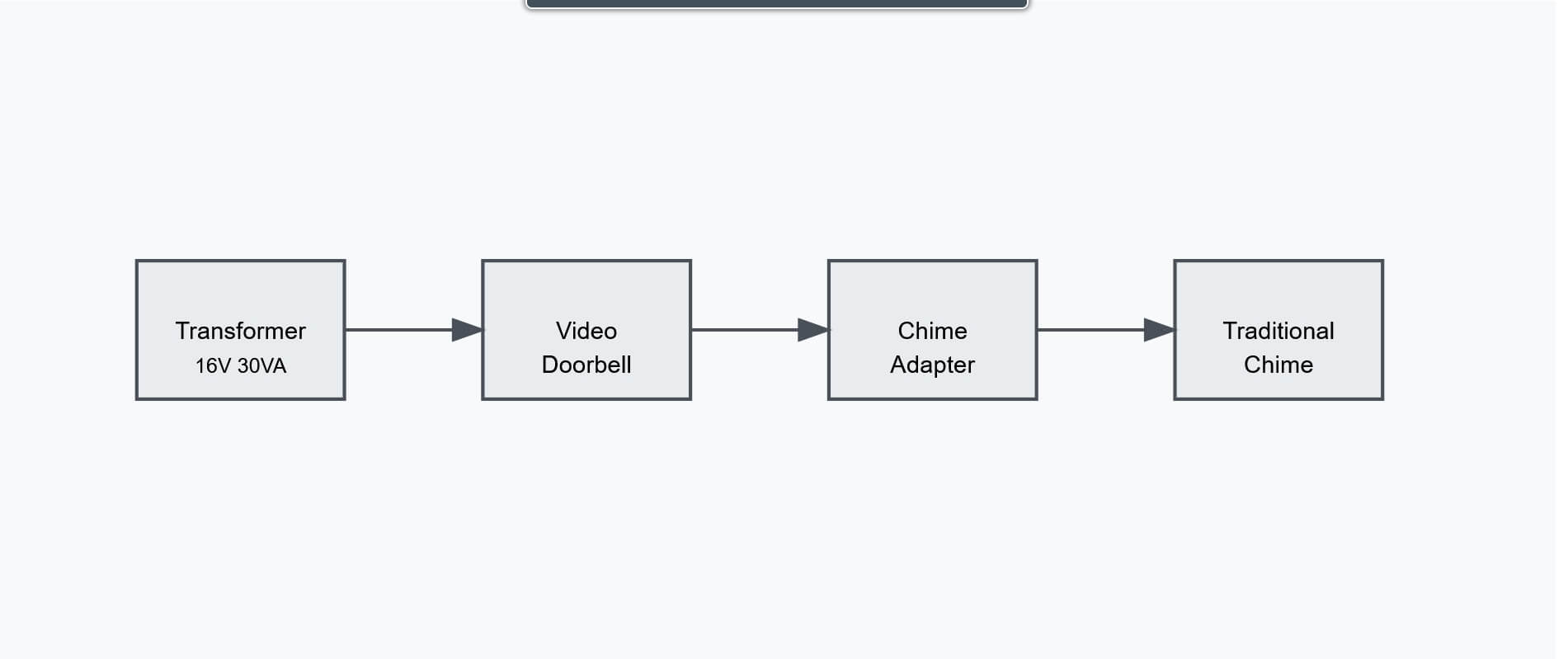
    The foundation of a successful dual-doorbell system lies in selecting the proper ring doorbell transformer. While most wired doorbells operate on a 16V system, adding a video doorbell requires careful power planning.

    For optimal performance, we recommend a transformer rated at 16V with at least 30VA (Volt-Amperes). The Craftmade T1630 doorbell transformer is an excellent choice that perfectly meets these specifications, providing reliable power for both systems.

    Installation Guide: Step-by-Step

    1. Assess Current Setup
      • Verify transformer specifications
      • Check wiring condition
      • Confirm video doorbell compatibility
    2. Select Your Equipment
      • Choose your video doorbell model
      • Pick a wired doorbell that matches your style
      • Secure a suitable 16V transformer (like the T1630)
    3. Transform Your Power Supply
      • Power down at circuit breaker
      • Remove existing transformer
      • Install new 16V 30VA transformer
      • Connect to home power supply
    4. Connect Both Systems
      • Install video doorbell’s power kit
      • Wire traditional chime
      • Complete video doorbell installation
      • Test both systems thoroughly

    System Configuration Best Practices

    • Always use the provided chime adapter
    • Maintain proper wire connections
    • Regular system testing
    • Keep components clean

    Selecting Your Traditional Chime

    While video doorbells offer modern features, traditional wired doorbells add timeless elegance. Consider:

    • Sound quality and volume
    • Design aesthetics
    • Weather resistance
    • Installation requirements
    • Transformer compatibility

    Troubleshooting Guide

    1. Video Doorbell Issues
      • Check transformer output
      • Verify connections
      • Confirm bypass installation
    2. Traditional Chime Problems
      • Test bypass device
      • Inspect connections
      • Verify transformer function
    3. Overall System Performance
      • Monitor transformer output
      • Check all connections
      • Consider VA rating upgrade

    Maintenance Tips

    Keep your dual system running smoothly:

    • Quarterly button cleaning
    • Annual wire inspection
    • Monthly system testing
    • Battery maintenance (if applicable)
    • Regular transformer checks

    Conclusion

    With the right setup, the perfect blend of modern security and classic charm is achievable. The key is using an appropriateย ring doorbell transformer, like the T1630 16V 30VA model. This combination delivers both advanced security features and traditional elegance.

    Always consult qualified electricians for electrical work, and follow manufacturer guidelines carefully.


    Note: The wiring diagram above illustrates the basic setup of a dual doorbell system. For detailed wiring guidelines, always refer to specific manufacturer instructions.

  • Innovative Wireless Doorbell Solutions for the Deaf

    Innovative Wireless Doorbell Solutions for the Deaf

    Living in a world designed for hearing can be challenging for the deaf and hard of hearing. Even everyday tasks, like knowing when someone is at the door, can be a struggle.

    Innovative doorbells for the deaf are changing this narrative. They are designed to cater to the specific needs of the hearing impaired, enhancing their quality of life.

    One such solution is the doorbell flashing light for the deaf. It uses visual cues to alert the user of a visitor or delivery.

    Other solutions integrate smart home technology, providing a seamless user experience. Vibration alert devices, for instance, notify the user through tactile signals.

    This guide explores these innovative doorbell solutions, their benefits, and how they work. It aims to help you choose the right solution for your home or loved one.

    Join us as we delve into the world of accessible doorbell solutions for the deaf.

    Understanding the Need for Accessible Doorbells

    Traditional doorbells can pose significant challenges for the deaf and hard of hearing. The absence of auditory signals makes it difficult to know when someone is at the door.

    Accessible doorbells address this gap by providing visual or tactile alerts. This ensures that users never miss an important visitor or delivery, fostering independence and security for people with hearing impairments.

    These specialized doorbells are not just conveniences. They are essential tools for communication and everyday living. By understanding their importance, we can appreciate their impact on enhancing accessibility and inclusivity in our homes and communities.

    Traditional Doorbell Challenges for the Hearing Impaired

    Traditional doorbells rely solely on sound to alert occupants. This presents a significant barrier for the deaf and those with hearing impairments. Missing a visitor or a delivery can lead to inconvenience and frustration.

    Furthermore, reliance on sound can compromise safety. Emergencies require quick notification, which sound-based alerts fail to provide for those unable to hear. Without adaptation, traditional doorbells limit independence and security. Addressing these challenges is crucial in creating inclusive and accessible living spaces for all individuals.

    Flashing Light Doorbells: A Bright Solution

    Flashing light doorbells offer an effective solution for those who are deaf or hard of hearing. They utilize visual cues instead of sound, ensuring no visitor goes unnoticed. These devices are designed to attract attention with bright flashes quickly.

    How Flashing Light Doorbells Work

    Flashing light doorbells convert the sound alert into a flashing light signal. They typically connect to the existing doorbell or operate wirelessly. When the doorbell button is pressed, a transmitter sends a signal to a receiver.

    The receiver activates the flashing light in one or more rooms, ensuring the homeowner sees the alert from anywhere inside the house. The technology is reliable and offers immediate visual cues.

    Benefits of Flashing Light Doorbells

    Flashing light doorbells provide a host of benefits for the hearing impaired. One key advantage is the sense of independence they offer. Residents can move freely throughout their homes without fearing theyโ€™ll miss visitors.

    Another benefit is enhanced home security. The ability to quickly and visually detect someone at the door contributes to a safer environment. These doorbells also allow for customizable settings, so users can adjust flash intensity and patterns to fit their preferences.

    Smart Home Integrations for Enhanced Accessibility

    Smart home technology complements doorbell systems, creating a cohesive environment for those with hearing impairments. By integrating intelligent doorbells with home automation, accessibility becomes more seamless. Smart systems can trigger synchronized alerts across multiple devices.

    The Role of Smartphones and Wearables

    Smartphones and wearables play a crucial role in accessibility. Many doorbell systems can connect to smartphones, sending notifications directly to the userโ€™s device. This connection ensures alerts are always within reach, providing extra convenience.

    Wearables, such as smartwatches, can also receive doorbell notifications. These devices offer discreet alerts through vibrations, ensuring that essential notifications are never missed. This integration extends the reach and reliability of doorbell alerts, enhancing daily life for the hearing impaired.

    Vibration Alert Devices: Feeling the Presence of Visitors

    Vibration alert devices are vital for those who might miss traditional doorbell sounds. These systems send vibrations through connected devices like smartphones or dedicated receivers, ensuring the user feels a tactile signal when someone rings the doorbell.

    This approach provides an additional layer of notification, especially beneficial in noisy environments or for profoundly deaf individuals. These devices help ensure that no visitor goes unnoticed by offering a non-visual, non-auditory cue, enhancing home accessibility.

    Wired vs. Wireless: Choosing the Right System

    Selecting between wired and wireless doorbell systems involves weighing several factors. Wired systems usually offer stable connections as they rely on hardwired electrical lines. However, installation might require professional assistance and can be challenging in older homes.

    On the other hand, wireless systems are easier to install and often feature advanced technology. They operate via Wi-Fi or radio signals, offering greater placement flexibility. Here are key considerations:

    • Installation simplicity: Wireless systems are generally plug-and-play.
    • Reliability: Wired systems may offer fewer connection issues.
    • Flexibility: Wireless systems allow for repositioning.

    Evaluating these aspects helps you decide the best setup tailored to your home requirements and accessibility needs.

    Installation and Maintenance: What to Expect

    Installing doorbell solutions for the deaf can vary in complexity. Wireless models are typically straightforward, often requiring no professional assistance. Mounting and connecting to Wi-Fi are generally the main steps involved.

    Maintenance for most systems is minimal but essential. Battery checks and ensuring connections remain secure are crucial. Wired systems might demand periodic professional inspections to provide functionality. Regular maintenance ensures reliability and prolongs the life of your doorbell solution, contributing to consistent accessibility.

    Selecting the Ideal Doorbell Solution for Your Home

    Choosing the perfect doorbell for a home requires careful consideration. Itโ€™s important to assess individual needs and home setup. What works for one home may not work for another.

    Here’s a quick checklist when selecting:

    • Evaluate signal range, especially in large homes.
    • Consider options with adjustable light intensity.
    • Check compatibility with existing smart home systems.

    The right doorbell solution can significantly enhance accessibility. Think about how easily the system integrates with current technology. This ensures a seamless experience for everyone in the household.

    Compatibility and Customization

    Compatibility is a crucial factor for doorbell solutions. Ensure the system works well with other assistive devices. Compatibility makes integration smoother and enhances usability.

    Customization allows for a tailored experience. Many systems offer adjustable alerts and volumes. Customizing these features ensures the alerts fit personal preferences and household dynamics, providing optimal accessibility.

    The Future of Doorbell Technology for the Deaf

    Doorbell technology continues to evolve, and the future promises even more innovative solutions for the deaf community. Emerging technologies aim to enhance accessibility and user experience.

    Advancements in smart home integration will play a crucial role. These developments are expected to improve connectivity and customization. New devices may soon offer more robust features, increasing independence and security for individuals with hearing impairments. As technology advances, the outlook for accessible living only gets brighter.

    Conclusion: Embracing Innovation for Inclusivity

    Innovative doorbell solutions have brought greater inclusivity for the deaf. These advancements offer unparalleled convenience and security. By embracing new technologies, individuals can enhance their quality of life at home.

    As we continue to innovate, accessibility becomes more integrated into everyday living. These doorbell solutions represent a significant step toward a more inclusive world. With a commitment to inclusivity, future developments will further empower the deaf community.

  • WDK-ERA-STROBE Installation Guide Video

    WDK-ERA-STROBE Installation Guide Video

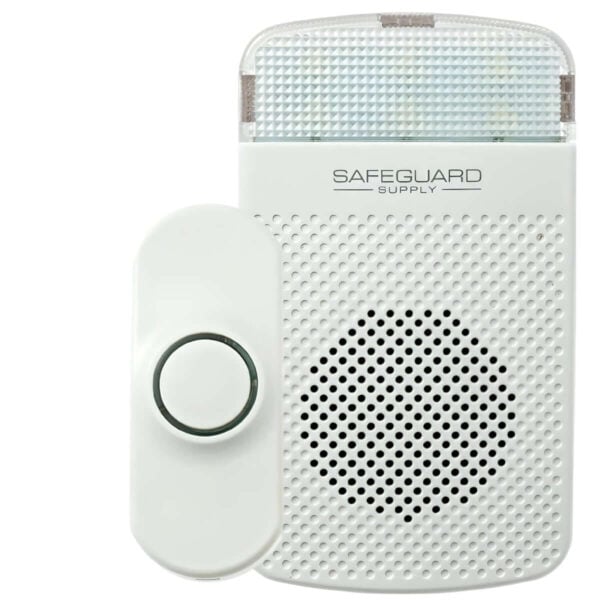
    The WDK-ERA-STROBE by Safeguard Supply is a best-in-class entrance alert, and doorbell system specifically designed for business use. With a range of 4,000 feet, expandability, and the ability to add accessories such as strobe lights, sirens, bells, and more, and the C-FORM relay for integration with other devices, the WDK-ERA-STROBE is a must-have for businesses looking for a high-quality alert system.

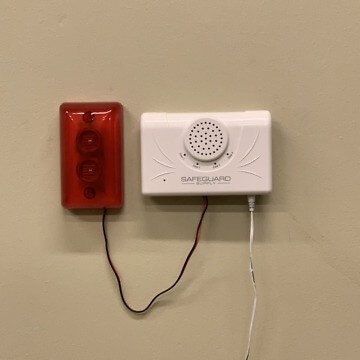
    The strobe light feature in this kit is great for use in loud, warehouse, or workshop environments, as the bright flashing strobe provides a visual indicator. Conversely, it also works great in areas where you do not want sound but need a visual alert. The kit consists of the ERA-UTX universal transmitter, the ERA-DCRX desktop/wall-mount receiver, a strobe light, and 15 feet of 18AWG wire.

    The ERA-UTX is a high-powered, long-range transmitter that may be used as a push button and a magnetic door contact. When triggered, it sends a radio signal up to 4,000 ft. to the compatible ERA receiver. This kit contains the ERA-DCRX. The ERA-DCRX is a desktop or wall-mounted receiver. It works with up to 12 compatible ERA transmitters/sensors, such as the ERA-UTX featured in this kit, and others like the ERA-DSTX driveway sensor, the ERA-PIR passive infrared motion sensor, the ERA-EXTX doorbell extender, and the ERA-PBTX push button.

    THE ERA-DCRX has volume control, a C-FORM Relay, and 4 x 12V DC outputs. This kit connects a 12V DC strobe light to one of the outputs. When the ERA-UTX push button is pressed or a door is opened (when used as a door contact), the ERA-UTX sends a wireless signal to the receiver. The receiver will then play the selected melody (12 available to choose from), and the strobe light will flash. The output duration may be 5-10 seconds or 1-2 minutes. Like all ERA products, all transmitters/sensors are compatible with all ERA receivers.

    Each ERA receiver, such as the ERA-DCRX, the ERA-RXPG, and the ERA-VPRX, works with up to 12 different sensors, and the number of receivers you can add is unlimited. Please visit Doorbell Kit for Businesses with Strobe Kit to see the WDK-ERA-STROBE product page.

    Video Transcript:

    Hey guys, if you have a commercial establishment like an auto shop, a large warehouse, an office or a studio, it’s essential to install a doorbell that can be heard and seen to let you know if somebody is on the premises. Now, today I’m going to be installing the WDK ERA strobe kit that comes with a doorbell with a magnetic contact and a receiver and a strobe light from Safeguard Supply.

    So let’s go over all the features and let me show you how to set it up. Okay, here’s everything that comes with the kit. You have a receiver, a transmitter, a power pack, a mounting kit, a magnetic contact, a CR2 lithium battery and a strobe light with an anchor kit. The next thing you want to do is take out these grommets on the back of the transmitter to get to the four Phillips screws.

    Take off the back of the transmitter and once it’s off you can place the CR2 lithium battery inside and then put it back together. Now you’re ready to pair the transmitter with the receiver. Plug in the receiver at the bottom, and once it’s plugged in, you’ll see a green light here in the corner. On the side, you’ll see three buttons, a mode button, a zone, and a volume button.

    To start the process, press and hold the mode button for two seconds, and you’ll hear a short tone. Once you hear that short tone, it will be in program mode. You’ll be able to see both lights flashing. Now, all you have to do is take the transmitter and press the gray button. You’ll hear a short tone. Now press and hold the mode button until you hear another short tone, and this will indicate that they have been paired.

    Now you can try it. Press the button on the transmitter or use the magnetic contact.

    You can adjust the volume by pressing the volume button and cycling through the different levels. I’m going to choose level 2. Now it’s time to set up and wire the strobe to the receiver. This is a mounting bracket that you will screw to the wall in these holes. And the wires will go through the center.

    And once it’s on the wall you’ll be able to twist the strobe light onto the bracket. Carefully take the back cover off the receiver and you’ll see a row of connections for the wires for each zone. The solid red wire will go to the positive in zone 1 and the striped wire will go to the negative in zone 1.

    You also have an option at the top of the receiver to have a strobe light be active for 5 seconds and even up to 2 minutes. Each zone can have its own strobe. So it’s best to test all your connections and signals before mounting it to the wall. So let’s test it.

    Okay, it works. Now we’re ready to go and install it. You can use the ERA UTX as a door contact or a doorbell.

    So I hope that gives you a better look on how the WDK ERA UTX Stroke kit works and why it’s a must have for your establishment. Check out Safeguard Supply for all their transmitters and receivers. You’ll be glad you did.

  • Introducing EZCHIME: Battery-Free Door Alerts: Play Gentle Ding Sound When Door Opens

    Introducing EZCHIME: Battery-Free Door Alerts: Play Gentle Ding Sound When Door Opens

    Tired of pesky batteries dying just when you need your doorbell most? Are you frustrated with tangled wires that mar the clean aesthetic of your home or business? Well, fret no more! Introducing the EZCHIME, the revolutionary mechanical door alert that requires no power or wiring โ€“ a breath of fresh air in electronic gadgets.

    Simple Genius: How the EZCHIME Works

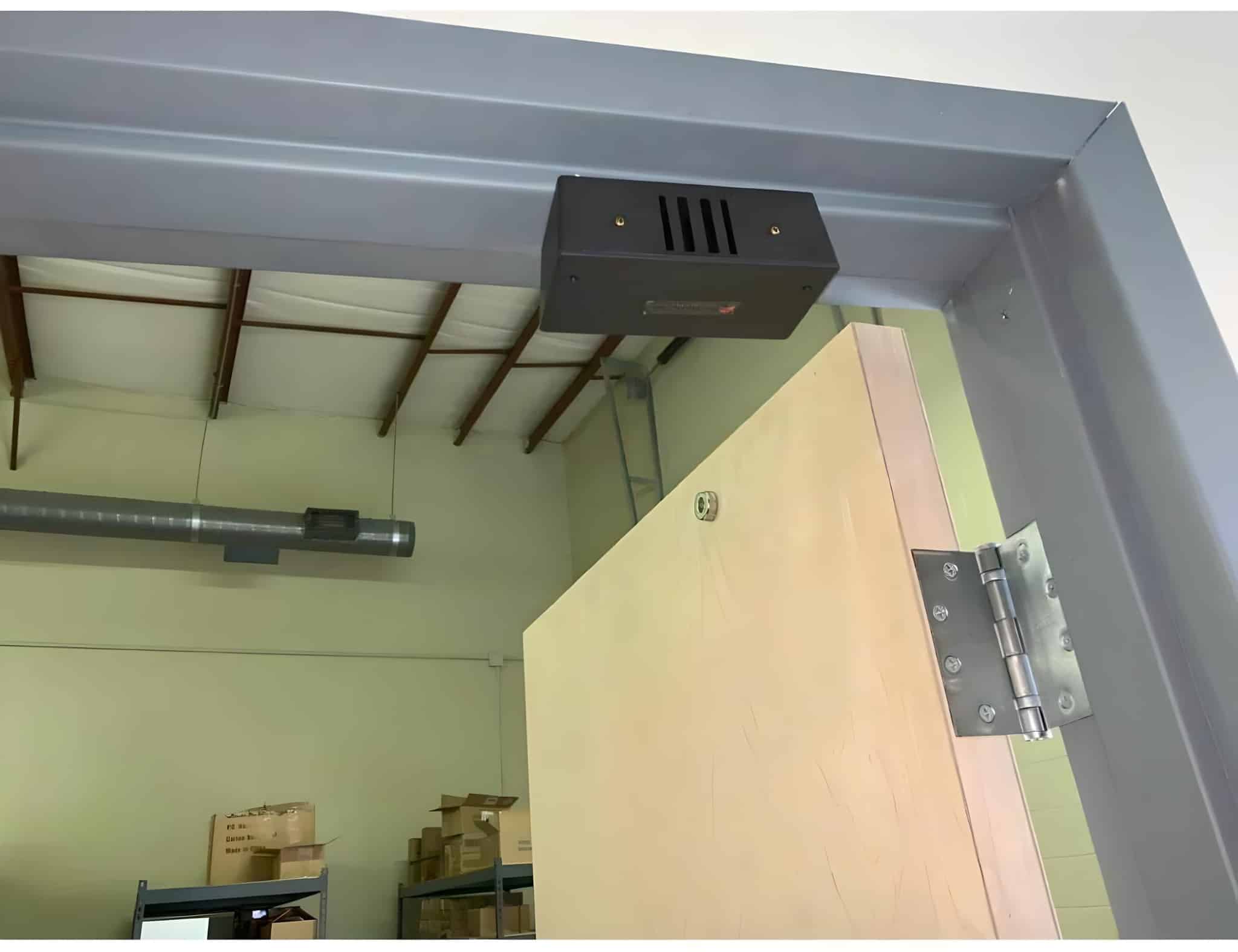
    The EZCHIME is a marvel of ingenious simplicity. Its secret lies in a clever combination of magnets and mechanics. Imagine a small, unassuming box mounted on your door frame. Inside, a spring-loaded plunger rests, waiting for its moment. On the other side, a tiny magnetic disc adheres to your door. When the door opens, the magnet loses its grip on the plunger, sending it flying backward with a satisfying “ding!” This crisp, clear chime rings loud and proud, alerting you to any incoming visitors without relying on a single drop of electricity.

    Benefits Galore: Why the EZCHIME is the Perfect Choice

    The EZCHIME isn’t just a nifty gadget; it’s a game-changer for convenience, reliability, and peace of mind. Here’s why it should be your new go-to door alert:

    • Power-Free Freedom: No more scrambling for batteries or running wires through walls. The EZCHIME is entirely self-sufficient, operating solely on the power of magnets and springs.
    • Unmatched Reliability: Forget about electronic glitches and dead batteries. The EZCHIME’s mechanical design is built to last, ensuring years of reliable service, even in the harshest weather conditions.
    • Effortless Installation: Gone are the days of complex wiring diagrams and technical expertise. The EZCHIME installs in minutes with just a few screws and the included magnet.
    • Crystal-Clear Chime: The EZCHIME’s “ding” is loud and clear, easily heard throughout your home or business, even in noisy environments. No more missed deliveries or surprise guests!
    • Versatile Application: The EZCHIME isn’t just for homes. It’s perfect for businesses, offices, garages, sheds, and anywhere you need a reliable, low-maintenance door alert.
    • Eco-Friendly Choice: Say goodbye to battery waste! The EZCHIME is a sustainable solution that reduces your environmental impact.
    • Durable and Stylish: The EZCHIME’s sleek, brown casing complements any dรฉcor, while its robust construction ensures years of worry-free use.

    More Than Just a Door Alert: The EZCHIME Advantage

    The EZCHIME is more than just a functional device; it’s a symbol of simplicity and resourcefulness. It’s a testament to the fact that the best solutions are sometimes the simplest ones.

    EZCHIME by Safeguard Supply Installed

    Invest in Peace of Mind: Make the EZCHIME Your Choice Today

    Ready to ditch the power cords and embrace the power of ingenuity? Order your EZCHIME today and experience the freedom of a reliable, maintenance-free door alert. With its unparalleled ease of use, exceptional durability, and eco-friendly design, the EZCHIME is the perfect choice for anyone who values functionality, peace of mind, and a touch of mechanical magic.

    Click the link below to order your EZCHIME now and enjoy the benefits of a truly power-free door alert!

    EZCHIME Mechanical Door Alert Chime

    Let the “ding!” of the EZCHIME bring peace of mind and a smile. Experience the future of door alerts, one gentle chime at a time.

    P.S. Don’t forget to share this article with your friends and family tired of the power cord blues! Let’s spread the word about the EZCHIME and embrace a world of worry-free door alerts.

  • The Importance of a Flashing Doorbell: A Soundless Alert for Everyone

    The Importance of a Flashing Doorbell: A Soundless Alert for Everyone

    The traditional doorbell, a familiar chime that announces visitors, can become a frustrating barrier for many. For the elderly, the hard of hearing, and the deaf, the simple act of missing a doorbell can have significant consequences. Missed deliveries, unexpected guests, and even emergencies can go unnoticed without a clear and accessible alert system. This is where the flashing doorbell steps in, offering a beacon of awareness that transcends the limitations of sound.

    Flashing Doorbell: A Guardian for the Hard of Hearing and Deaf

    Even the loudest doorbell might as well be a whisper for individuals with hearing loss. Traditional chimes don’t register, leaving them vulnerable to missed essential moments. A hard-of-hearing doorbell equipped with a bright, flashing strobe light cuts through the auditory barrier, providing a visual cue that’s impossible to miss. This visual alert empowers individuals to regain control and stay connected, ensuring they’re always aware of visitors and potential emergencies.

    Imagine a scenario where a senior citizen, hard of hearing and living alone, receives a critical medication delivery. They might miss the knock without a flashing doorbell and risk delaying their essential medication. A flashing strobe light, however, pierces through the silence, ensuring they receive their medication promptly and remain safe.

    A Beacon of Security for the Elderly

    Beyond hearing loss, age can bring its own challenges. Diminished eyesight and mobility can make traditional doorbells even less effective. A doorbell for the deaf with a flashing light offers a vital safety net. The bright strobe not only alerts them to visitors but also provides a visual cue for orientation and movement, helping them navigate to the door safely. This added layer of awareness can be especially crucial in emergencies, allowing them to call for help if needed quickly.

    Introducing the WC180-SS: A Flashing Doorbell Solution

    The WC180-SS by Safeguard Supply is a prime example of a well-designed flashing doorbell. This wireless kit features a bright, built-in strobe light that flashes alongside 52 selectable chime melodies. This combination caters to both the hearing impaired and those who prefer a visual alert. The kit also boasts impressive features like:

    • Long range: Up to 1,000 feet of range ensures you’ll never miss a visitor, even in large homes or outdoor settings.
    • Expandable system: Add up to 52 wireless buttons to one receiver, creating a comprehensive alert system for multiple entrances.
    • Easy installation: No wiring is required; simply plug the receiver into a wall outlet and mount the transmitter using the included hardware.
    • Versatility: Ideal for homes, businesses, and industrial environments with high noise levels.

    The WC180-SS flashing doorbell is more than just a doorbell; it’s a bridge that connects individuals with their surroundings, promoting safety, independence, and peace of mind.

    WC180-SS Flashing Doorbell Kit with SS155_SS111

    Conclusion: Breaking Down the Sound Barrier

    The flashing doorbell offers a vital alternative in a world that often prioritizes auditory cues. It empowers the hard of hearing, the deaf, and the elderly to participate fully in their lives, ensuring they’re never left in the dark (or silent!). By choosing a flashing doorbell like the WC180-SS, you’re not just installing a device; you’re installing a sense of security and connection. So, let’s break down the sound barrier and create a world where everyone can hear the knock at the door loud and clear.

  • Wired Doorbell Mounting Guide

    Wired Doorbell Mounting Guide

    The significance of details in home improvement and design cannot be overstated. Even small things like the type of doorbell button you select can significantly impact your home’s overall look. There are three primary styles of wired doorbell buttons: flush, recessed, and surface mount.

    What are Wired Doorbell Buttons?

    The wired doorbell push button is an essential component of a doorbell system. This system comprises three major parts: the doorbell (typically hangs in the foyer), the push button (outside by the door), and the doorbell transformer (steps down the current in your home). Essentially, it creates a lower voltage that your doorbell chime can handle. The push button is usually installed outside of a house or apartment, and when someone presses it, it sends a signal to the doorbell inside. Almost all homes have a door chime button at the front door, often on secondary doors such as the back or side door.

    Video doorbells, such as Ring video doorbells and Google Nest doorbells, have become more and more popular. These act as a wired doorbell button. If you have a strong enough wired doorbell transformer, you can use the video doorbell with your existing doorbell or old doorbell alongside a wired doorbell button for a secondary door.

    The doorbell then chimes to alert those inside that someone is at the door. The door chime transformer is critical in converting high-voltage electricity into low-voltage current, which powers the doorbell system. It is typically located in the attic, garage, or sometimes at the electrical junction box (circuit breaker).

    This is not to be confused with video doorbells, doorbell cameras, or mechanical chimes that do not use electricity.

    What Mounting Type of Wired Doorbell Button Should I Get?

    Understanding the different types of button mounting styles is essential to determine what type to get. This will help you know what tools I need, such as power drills, where I need mounting holes, and more. As described below, you may need other hardware tools for flush-mounted doorbell buttons as they are the most involved mounting type.

    Flush mount buttons sit flat against the wall, offering a sleek, modern look that blends seamlessly into the surrounding architecture. Think of the entire unit sitting inside the actual wall or mounting surface. Think of an inwall speaker. These are typically flush-mounted.

    Recessed mount buttons are installed inside a hole cut into the wall, so the back of the push button electronics can sit inside the wall, creating a more subtle appearance ideal for minimalist designs. The plate of the button sits on the wall, but the back of the doorbell button is recessed into the wall.

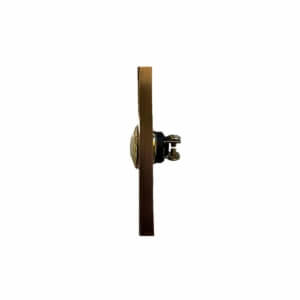
    DH1690L Craftman Wired Push Button Side View

    Surface mount buttons are attached directly to the wall and stick out slightly, providing an eye-catching detail that can add character to traditional or rustic homes. Essentially, the entire unit sits flat on the surface for surface-mounted buttons.

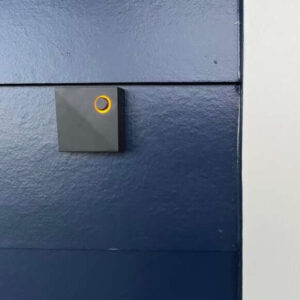
    Surface mounted doorbell button

    Choosing the correct type of doorbell button for your home depends on your personal preferences as well as your home’s design style and functional needs. By understanding the differences between flush mount, recessed mount, and surface mount buttons, you can make an informed decision that will enhance your home’s form and function.

    Wired Doorbell Mounting

    When looking at the front of the button, it’s hard to tell how it is mounted. The electrical wiring is hidden, usually inside the wall, and it is often hard to know without looking at the back of the button.

    Flush Mount Doorbell Buttons

    Description: Flush mount doorbell buttons are designed to sit flush with the wallโ€™s surface, offering a sleek and modern look. This style is increasingly popular in contemporary homes due to its minimalist appeal.

    How it Works: The flush mount doorbell mechanism is concealed inside the wall with only the button visible.

    Pros:

    • Sleek and Modern Look: The flush mount is an excellent choice for modern homes due to its seamless integration with the wall, making it aesthetically pleasing.
    • Durability: These buttons are located in a less exposed area, making them less vulnerable to damage caused by weather or accidental impacts.”
    • Easy Maintenance: The product’s sleek design facilitates effortless cleaning and maintenance.

    Cons:

    • Installation Complexity: It takes more skill and effort to install a flush mount doorbell since it requires precise cutting into the wall.
    • Wall Compatibility Issues: This style may not be suitable for all wall thicknesses, limiting its applicability in some homes.

    Recessed Mount Wired Door Chime Buttons

    Description: Recessed mount doorbells are set back slightly into the wall, offering a more traditional appearance.

    How it Works: The button mechanism is housed in a box recessed into the wall, with the button protruding slightly from the surface.

    • Traditional Aesthetic: The recessed mount offers a classic look that can complement various home styles.
    • Enhanced Protection: These buttons are more protected from the elements than their surface-mounted counterparts.
    • Installation Challenges: Installing a recessed mount doorbell can be more complex than a surface-mounted button.
    • Limited Wall Compatibility: Like flush mounts, recessed buttons may not be ideal for all types of walls.

    Pros:

    • Offers a more traditional look.
    • Slightly more protected from the elements than surface-mounted buttons.

    Cons:

    • Installing not surface-mounted buttons can be more challenging than those fixed on the surface.
    • This product may not be suitable for all types of walls.

    Surface Mount Doorbell Buttons

    Description: Surface mount doorbell buttons are mounted directly onto the wall surface, making them the most straightforward installation.

    How it Works: The entire button mechanism is housed in a box that attaches directly to the wall.

    • Ease of Installation: Surface mount doorbells are the easiest to install, requiring minimal modifications to the wall.
    • Affordability: This type is often the most budget-friendly option.
    • High Wall Compatibility: Surface mounts can be installed on almost any wall type.
    • Vulnerability to Damage: Being fully exposed, these buttons are more prone to weather-related damage and impacts.
    • Aesthetic Considerations: Some may find surface mount buttons less visually appealing than recessed or flush mount options.

    Pros:

    • Easiest to install.
    • No need to modify the wall.
    • It’s the most affordable option.

    Cons:

    • Most susceptible to damage from weather or accidental impact.
    • It may not be as aesthetically pleasing as flush-mounted or recessed buttons.

    Common Installation Questions

    If you plan to install a wired doorbell, you might have some questions about the process. One common question is how to correctly wire the doorbell. It’s essential to ensure the wiring is done correctly to avoid potential safety hazards or malfunctions. Another common question is how to mount the doorbell button. The button’s location can play a significant role in its effectiveness, so it’s essential to choose a spot that is easily accessible and visible. Additionally, you may have questions about the various types of doorbells available, such as wireless options or those that feature a camera. It’s always a good idea to research and determine which kind of doorbell will best suit your needs and budget.

    What tools are needed for mounting a wired doorbell?

    It’s a good idea to fully understand what you are mounting the unit to and the mounting requirements, and ensure you have all the necessary doorbell components before purchasing. For mounting a wired doorbell, you will need a screwdriver (usually a Phillips head, but sometimes a flathead screwdriver, drill (if necessary with a masonry drill bit or one for wood), level, measuring tape, and wire strippers. In most cases, the unit will ship with the necessary screws but double-check this before installation. Depending on the model and mounting surface, you may need mounting brackets and wall anchors. These tools will help ensure a secure and properly installed doorbell button that functions correctly. A voltage tester

    Wiring: can a wired doorbell be mounted on any surface?

    A wired doorbell can be mounted on most surfaces, including wood, brick, and stucco. However, it is essential to ensure that the mounting surface is sturdy and secure to prevent any damage or malfunctioning of the doorbell. If in doubt, consult the manufacturer’s instructions or seek professional assistance.

    What are some common mistakes to avoid when mounting a wired doorbell?

    One common mistake to avoid when mounting a wired doorbell button is the mounting height. Mounting it too high or too low does not ensure a secure and stable mounting surface and does not correctly seal the mounting area to protect it from moisture.

    Choosing the right mounting style for your wired doorbell button depends on various factors, including personal preference, home style, and wall conditions. While flush and recessed mounts offer a more integrated look with the wall, they require more effort in installation and may not suit all wall types. On the other hand, surface mounts are easy to install and versatile but may not offer the same level of aesthetic integration or durability. By considering these factors, homeowners can make an informed decision that best suits their needs and enhances their homeโ€™s curb appeal.

    Do I need to Hire an Electrician? Can I Install a Transformer?

    Hardwiring a doorbell requires electrical expertise and knowledge, so it is highly recommended to hire a professional electrician for the job. This is because various types of doorbells are available in the market, and each one may have specific wiring requirements. Moreover, the installation process can be tricky and time-consuming, especially if you’re unfamiliar with electrical wiring.

    Regarding wiring, it’s always best to leave the job to an experienced electrician. They can ensure the wiring is done correctly and safely while adhering to local building codes and safety regulations. Attempting electrical work without proper training and tools can lead to severe injuries or electrical hazards. Therefore, it’s always better to be safe than sorry and consult an expert for electrical needs.

  • Expandable Flashing Doorbell, a Deaf Doorbell with Strobe

    Expandable Flashing Doorbell, a Deaf Doorbell with Strobe

    What is a flashing doorbell, and how does it help with hearing impairment?

    A flashing doorbell is a doorbell designed for individuals with hearing impairments. Instead of relying on sound, it uses a flashing light or strobe to alert the person when someone is at the door. This ensures that even those who can’t hear the doorbell can still be notified of visitors.

    What are the benefits of having a strobe light doorbell?

    A flashing doorbell provides a visual alert for individuals with hearing impairments, ensuring they don’t miss any visitors or deliveries. It enhances safety and convenience, allowing them to easily see when someone is at the door, even if they can’t hear the doorbell’s sound.

    Welcome to our blog, where we will discuss an innovative solution for deaf people and the hard of hearing – the Expandable Deaf Doorbell with Strobe. In this blog, we will explore the importance of visual alerts in doorbells, the advantages of wireless doorbells with strobe lights, and how the ERA-DCKIT doorbell can provide a complete home solution for deaf individuals. Let’s dive in!

    How Do Deaf People and the Hard of Hearing Know When Their Doorbell Is Ringing?

    For individuals with hearing loss or deafness, hearing a doorbell can be a daunting task. Traditional doorbells rely exclusively on sound, making it difficult for those with impaired hearing to detect them. This can cause visitors, deliveries, and other important notifications to go unnoticed. This is where visual alerts come in handy. Visual alerts are designed to provide a visual cue when the doorbell rings so individuals who are hard of hearing or deaf can be notified of visitors or deliveries. These visual alerts can come in various forms, like flashing lights, vibration devices, or smartphone notifications. The use of visual alert systems is not only beneficial for those with hearing disabilities but also for elderly people who may have difficulty hearing high-frequency sounds. Additionally, modern smart home technology offers options such as video doorbells that provide visual and audio alerts, making them an excellent choice for people with and without hearing impairments.

    The Importance of Visual Alerts for Door Chimes for the Hard of Hearing

    Visual alerts, like strobe lights, are crucial for people with hearing loss to know when someone is at the door. The Expandable Deaf Doorbell with Strobe provides an excellent solution, including customizable flash patterns and volume controls. This means that deaf individuals can personalize the visual alert to their preference, ensuring they never miss an essential doorbell notification.

    This additional flexibility provides peace of mind and enhances independence for deaf individuals. Visual alerts can also benefit people who are sleeping or in noisy environments. The bright flashing of the strobe light can be felt or seen, making it an effective alternative to audible doorbells. It ensures that even in noisy environments, such as a loud TV or a busy household, deaf individuals will still be alerted when someone is at the door. Having a doorbell with visual alerts is not just a convenience but a necessity for deaf or hard-of-hearing individuals. It provides them with the same sense of security and awareness that hearing people have, ensuring they can fully participate in their daily lives without worrying about missing doorbell notifications.

    A Wireless Door Chime Used as a Doorbell Flasher for Deaf for the Hearing Impaired or in Noisy Environments

    A wireless door chime with a strobe light serves as an excellent doorbell flasher for deaf people, hard-of-hearing individuals, and those who live in noisy environments. By utilizing visual cues, such as flashing lights, deaf people can be alerted when someone is at the door, giving them the same level of notification as hearing people. The Expandable Deaf Doorbell with Strobe is designed to meet these unique needs, offering a wireless doorbell system that includes a flashing strobe light for visual notification. The door chime can be placed anywhere in the home, making it accessible from any room and ensuring deaf people are always aware of visitors or deliveries.

    Unlike traditional doorbells, wireless door chimes are easy to install, as they operate on batteries, eliminating the need for electrical wiring. This makes them an ideal choice for individuals who may not have access to wiring options, such as those living in rented spaces or apartments. The wireless door chime with strobe light can also be used in noisy environments where audible doorbells may go unnoticed. Whether it’s the sound of loud music, children playing, or construction noise, deaf people can rely on the visual alert of the flashing strobe light to alert them of incoming visitors.

    ERA-DCKIT: Wireless Doorbell with Flashing Strobe and Push Button

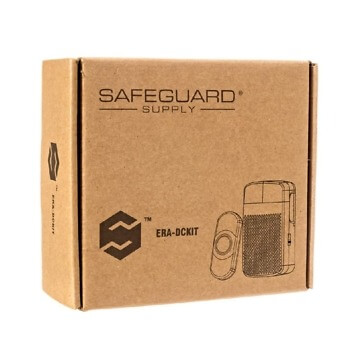
    ERA-DCKIT Wireless Door Chime Kit Box

    Let’s look at the ERA-DCKIT, an Expandable Deaf Doorbell with Strobe, and its unique features. This wireless doorbell system is specifically designed for hearing-impaired individuals, providing them with a flashing strobe light and push button for easy notifications. The wireless doorbell system features a flashing strobe light, a visual alert for deaf people, alerting them when someone is at the door, an inviting wireless push button, and necessary mounting hardware.

    The bright flashing light can be seen from a distance, ensuring deaf individuals are aware of incoming visitors, even from another part of their home. The push button at the front door, the ERA-PBTX, emits a low glow halo around the center push, making it easily visible at night. This feature enhances nighttime visibility, ensuring visitors can locate the push button and quickly alert owners of their presence, regardless of the time of day.

    Components of the ERA-DCKIT Doorbell for the Deaf

    • The ERA-RXPG receiver offers four (4) different volume levels for muting and a setting that activates a flashing strobe light. When activated, the chime produces a loud sound and, depending on the chosen settings, emits a bright flashing strobe. This feature transforms an average doorbell into one suitable for individuals with hearing impairments.
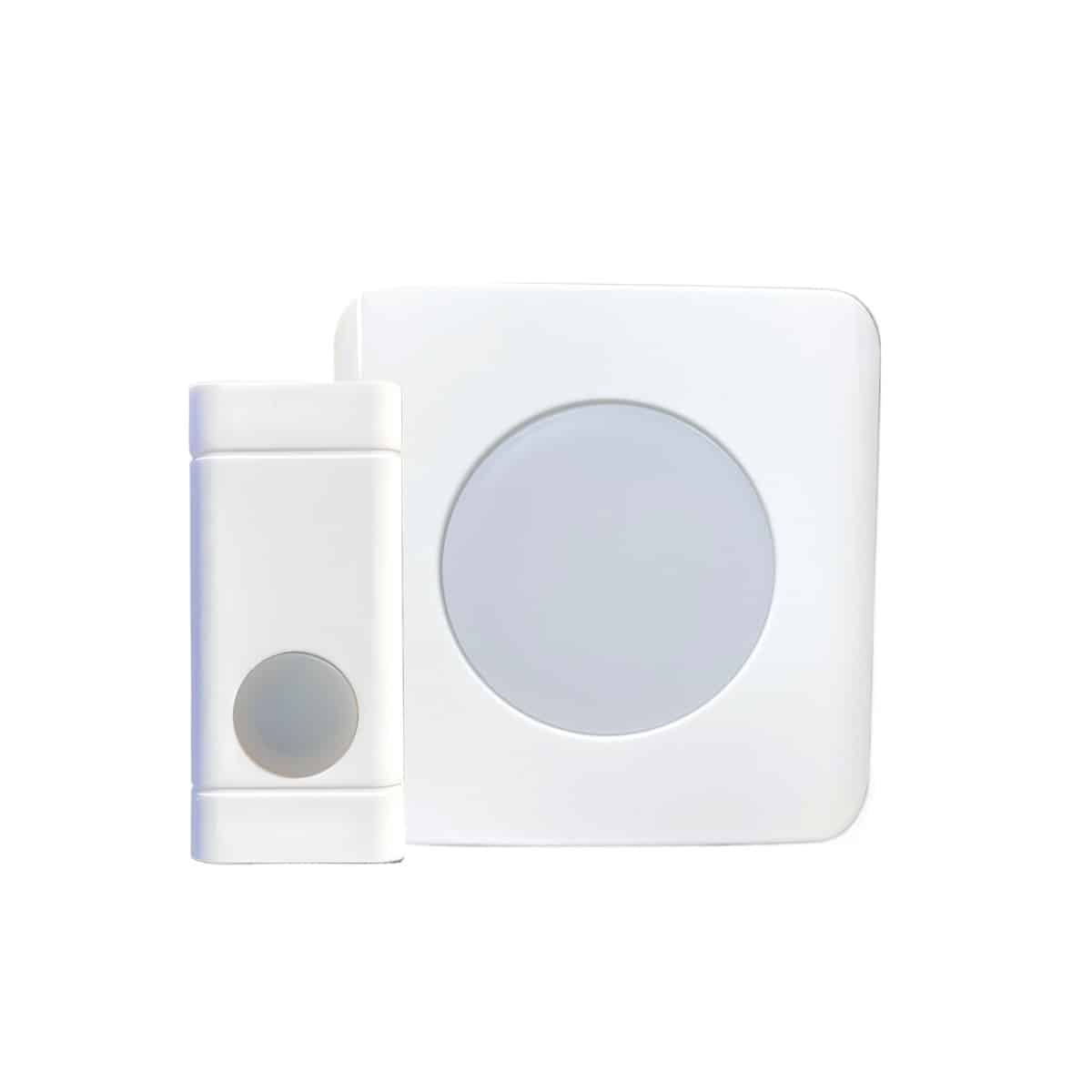
    • Introducing the ERA-PBTX push button – A wireless button that operates on a durable lithium battery, providing a long-lasting power source that will not require replacement for 1-2 years. One notable characteristic of this wireless pushbutton is its distinct low glowing ring encircling the center button, ensuring effortless visibility during nighttime. Mounting is a breeze with the double-sided tape and screws conveniently included in the package.
    • A user instruction manual provides guidance and instructions on programming the push button to the receiver, changing the melody, and installing it. It serves as a valuable resource for customers, ensuring they can operate the product safely and effectively. In addition to instructions on using the product, user manuals may include troubleshooting tips, maintenance guidelines, and warranty information.

    One of the unique advantages of the ERA-DCKIT Expandable Deaf Doorbell with Strobe is its range. The push button can transmit alerts up to 1,000 feet to the ERA-RXPG receiver, ensuring deaf people can hear the doorbell notification from anywhere in their home, whether it’s a small apartment, a large house, or stores & shops. Although this may sound like an unneeded range for your location, remember that this is the line of sight range. Environmental factors, building materials, and other interference will diminish wireless strength.

    The wireless doorbell system is easy to install, requiring minimal wiring or technical expertise. It can be set up within minutes, allowing deaf people to immediately enjoy the benefits of visual alert doorbell systems. Overall, the wireless doorbell system with flashing strobe lights and push buttons is a convenient and practical solution for households with hearing-impaired individuals. It provides visual notification, enhances accessibility, and ensures deaf people never miss an essential doorbell notification.

    Expanding the ERA-DCKIT Flashing Doorbell for Deaf: Complete Home Solution

    Maximizing the ERA-DCKIT for a Comprehensive Home Solution, incorporating unique chimes and a front door strobe notification. The wireless doorbell system expands to address hearing impairment with a bright flashing strobe light and loud sound.

    Adding Additional Push Buttons to Your ERA-DCKIT

    Determine the quantity and location of extra push buttons needed. Acquire additional buttons, the ERA-PBTX or even the ERA-UTX, and program them to the ERA-DCKIT’s receiver, the ERA-RXPG. Follow the manufacturer’s instructions for secure installation and wiring connection. Test buttons to activate strobe. Consider a wireless receiver for extended signal range and improved functionality.

    Do you want to put a wireless chime receiver in another room?

    The Expandable Deaf Doorbell with Strobe includes a wireless chime receiver that can be placed in any room. With a range of up to 1000 feet, you’ll hear the doorbell throughout your home. Plug in and pair the receiver with the transmitter. Enhance notification coverage by incorporating more ERA-RXPG receivers, quickly extending the reach and maximizing alert coverage. Improve system reliability with extra ERA-RXPG receivers for full coverage.

    Add ERA Wireless Desktop, Plugin Chimes & Portable Receivers

    Expand the range of the ERA-DCKIT with ERA Wireless Desktop & Plugin Chimes. Portable Receivers like the ERA-VPRX with vibration ensure no missed doorbell rings, featuring various volume levels and sound options. The ERA-DCRX is a fully compatible desktop or wall-mounted receiver with all ERA sensors/transmitters.

    • ERA-DCRX – Desktop or wall-mounted receiver with 4 x 12V DC outputs
    • ERA-VPRX – Portable receiver with vibration mode, built-in rechargeable batteries

    Add other ERA series of transmitters, such as the ERA-UTX, ERA-PIR, ERA-DSTX, and ERA-EXTX

    Integrate other ERA series transmitters to enhance system capabilities, expand functionality, and customize the notification network. Incorporate diverse transmitters to strengthen the alert system and broaden the range of alerts.

    • ERA-UTX – Universal transmitter may be used as a push button or magnetic door contact (alerts when the door is opened).
    • ERA-PIR – An indoor-rated motion sensor that monitors motion through the doorway, hallway, and more.
    • ERA-DSTX – An outdoor-rated driveway sensor that detects cars and their movement through the driveway or other outdoor monitored areas.
    • ERA-EXTX – Hooks into the wired doorbell and sends a radio signal to the receiver when the outside wired doorbell button is pressed.

    Ensuring Reliable Notifications with the ERA-DCKIT

    The ERA-DCKIT is an innovative solution designed for the hearing-impaired to maximize notifications. It features unique chimes and bright flashing strobe plugs that provide reliable alerts at the front door. The device guarantees that deaf people won’t miss essential visitors or deliveries, ensuring a safe and secure home environment. With its user-friendly design, the ERA-DCKIT is easy to install and operate, making it a must-have for anyone with hearing difficulties.

    The push button emits a low glow halo around the center push to find it easily at night

    Make it easier to locate the push button at night with a low-glow halo around it for enhanced nighttime visibility.

    Transmits up to 1000 feet to ERA-RXPG receiver

    Achieve wide-ranging alert transmission up to 1000 feet for extensive notification coverage to the ERA-RXPG receiver, ensuring comprehensive alerts with long-range capability. Experience seamless notification coverage with the wireless doorbell system.

    Basic Features of the ERA-DCKIT Doorbell for Hard of Hearing

    The expandable receiver of the ERA-DCKIT offers a 150m wireless range, making it suitable for indoor and outdoor use. Ideal for the deaf and hard of hearing, it features a strobe light, 16 melodies, and easy plug-in installation.

    Best Doorbell for the Deaf

    Expandable Deaf Doorbell has unique chimes and a bright flashing strobe light to ensure deaf people never miss a visitor. The wireless doorbell system includes a door chime receiver with maximum volume and strobe plugs for wall outlets.

    Comparing the ERA-DCKIT with Other Deaf Doorbell Models

    The ERA-DCKIT doorbell provides a unique strobe feature, unlike competitors. It’s expandable to up to 4 transmitters and has a range of up to 1000 feet. Additionally, it includes customizable chimes and volume control.

    Get a Door Chime for the Hard of Hearing

    In conclusion, the Expandable Deaf Doorbell with Strobe is a game-changer for individuals who are deaf or hard of hearing. Its visual alerts and wireless functionality provide a reliable and convenient solution for knowing when someone is at the door. Additionally, the ERA-DCKIT can be expanded to create a complete home solution, ensuring every room has a receiver. Compared to other deaf doorbell models, the ERA-DCKIT stands out with its range, ease of use, and additional features like the low glow halo on the push button. If you need a reliable and effective doorbell for the deaf, look no further than the ERA-DCKIT. For more information or to order your own, contact us today.

    Order the ERA-DCKIT

    Experience the expandable ERA-DCKIT deaf doorbell with strobe notification. Enjoy 16 unique chimes, a wireless range of up to 500 ft, and adjustable volume control for a great choice. The bright flashing strobe plugs into any wall outlet.

    Click the image to learn more and purchase the ERA-DCKIT

    ERA-DCKIT Safeguard Supply Extended Range Wireless Door Chime Kit
  • Store Door Alert: The Key to Boosting Store Security

    Store Door Alert: The Key to Boosting Store Security

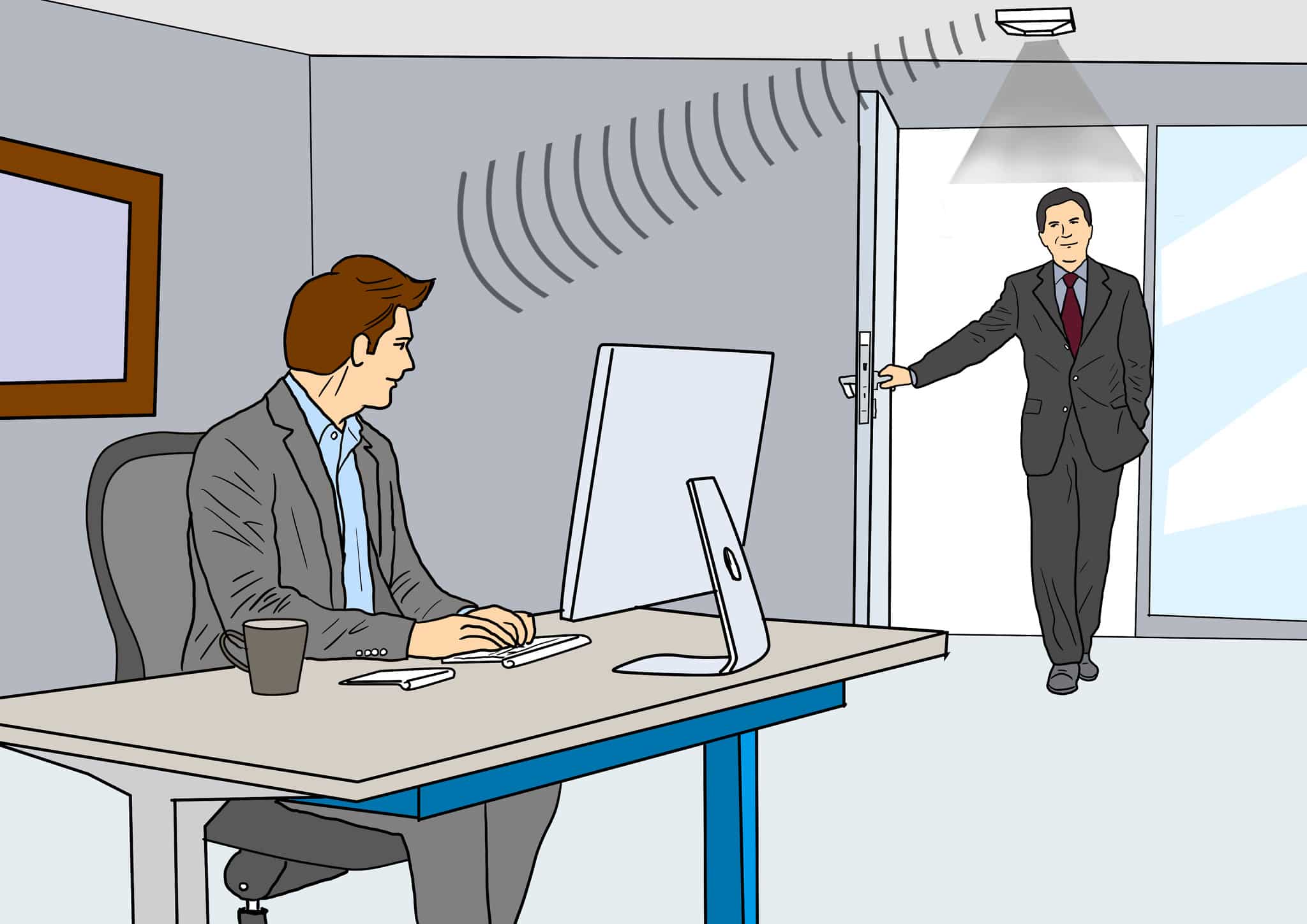
    Motion door alert systems have become increasingly popular for commercial use, primarily because of the extended range of 4,000 ft. These systems use motion detectors to monitor entry points, sending alerts whenever motion is detected within the monitored zone. In this blog, we will explore the benefits of using motion sensor door alert systems in stores, how they work, and how to choose the right system for your store. Often, store owners, shop managers, or purchasing agents who need a solid door alert system shy away from wireless because the products have burned them with a reduced range. Knowing that the published range is a line-of-sight range, not the actual range you will get in the field, is essential.

    Understanding Motion Sensor Door Alert System

    Motion sensor door alert systems, such as the motion detector alarm, are designed to detect motion at entry points or unauthorized zones, providing security and convenience for homes, businesses, and commercial properties. These systems use motion detectors, typically passive infrared (PIR) technology, to monitor activity and send alerts when motion is detected within the monitored zone. Motion door alert systems use advanced technology to ensure accurate detection and minimal false alarms, making them a practical and cost-effective security solution for residential and commercial use.

    What is a motion sensor door alarm system?

    As the name suggests, a motion sensor door alert system is a security system that uses motion alerts to monitor a property’s entry points or specific areas. These systems are equipped with motion detectors that use passive infrared (PIR) technology to detect changes in motion within the monitored zone. When motion is detected, the sensor triggers an alert, notifying the property owner of the activity.

    How does a motion sensor work?

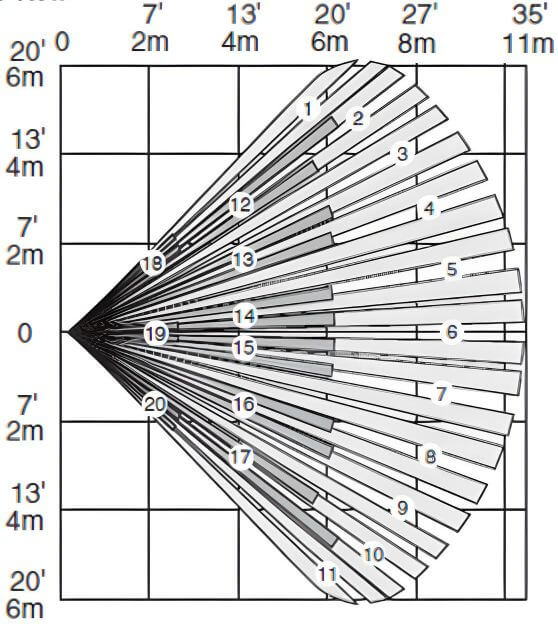
    The PIR sensor is activated when there is a change in the balance between its two elements. As an object moves through the different zones of the Fresnel lens or segmented mirror, it causes a rapid change in radiation levels across the sensor’s elements. This differential change is what the sensor detects. When the sensor detects a significant change in infrared radiation, such as when the moving object crosses multiple “fingers” or zones, it interprets this as motion and triggers an alarm or activates a connected system, such as a light or a camera. The design of the PIR sensor, with its segmented lens or mirror, is crucial for accurately detecting motion and reducing false alarms. It allows the sensor to detect infrared radiation and respond specifically to the dynamic changes in radiation that occur with movement across its field of view.

    PIR sensor Fresnel lens
    PIR sensor Fresnel lens example

    In motion door alert systems, the motion sensor acts as a transmitter, sending a radio signal to a wireless receiver when motion is detected. The transmitter, usually installed near entry points or in areas of concern, continuously monitors for motion. When motion is detected, the transmitter sends a wireless signal to the receiver, triggering an alert. This wireless communication allows for easy installation of the motion sensor door alert system, as there is no need for extensive wiring or complicated installation processes. The transmitter and receiver components of the motion sensor door alert system are designed to work seamlessly together, ensuring reliable performance and accurate motion detection. For example, all products work together in the ERA series by Safeguard Supply. Different sensor types work together with all the other receiver types.

    When to use a motion sensor instead of a magnetic door contact

    While magnetic door contacts (or window contacts) are commonly used for door entry alert systems, there are instances where motion sensors are preferred. Motion sensor door alert systems are ideal for areas where traditional door contacts may not be practical. For example, if a door frequently stays open, a magnetic door contact will not provide alerts because magnetic door sensors work when a small magnet separates from a second piece (such as a door opening). Motion sensors offer a more dynamic and responsive alert system in such cases, detecting motion even if the door remains open. Motion sensor door alert systems are also suitable for monitoring hallways or areas where you want movement notifications, providing a versatile security solution for various entry points and locations.

    Benefits of Using a Motion Sensor Door Alert System in Stores

    Using motion sensor door alert systems in stores offers numerous benefits, including enhanced security, visitor awareness, and convenience. Let’s explore these benefits in detail below.

    Enhanced Security of Using Door Alarm Sensors

    One of the key benefits of using motion sensor door alert systems in stores is enhanced security. These systems can deter potential thieves and burglars from entering the store, as the motion sensor door alert system immediately alerts store employees when someone enters or exits. Motion sensor door alert systems can also prevent unauthorized access to store areas containing sensitive information or valuable items, offering store owners an added layer of security. By investing in a motion sensor door alert system, store owners and employees can have peace of mind, ensuring the safety and security of the store and its contents.

    Wireless Door Alerts Improves Visitor Awareness

    Motion sensor door alert systems help store owners keep track of incoming and outgoing visitors, aiding in loss prevention by alerting staff when someone enters or exits the store. These systems also improve customer service by notifying staff when a customer enters the store, allowing them to greet and assist the customer promptly. Motion sensor door alert systems provide valuable data on customer traffic patterns, helping store owners make informed business decisions. Additionally, these systems enhance safety and security by alerting staff to unauthorized entries or exits, ensuring a secure environment for store employees and customers.

    Convenience and Ease of Use of Motion Detectors

    Motion sensor door alert systems offer convenience and ease of use for store owners and employees. These systems ensure that customers are greeted immediately upon entering the store, creating a positive customer experience. Motion sensor door alert systems also help monitor foot traffic and track visitor flow, providing valuable insights for store owners. Furthermore, motion sensor door alert systems improve security by alerting store staff to any unauthorized entry or suspicious activity, allowing quick response and action. Installing motion sensor door alert systems is easy, and the systems can be customized to fit the specific needs of each store, offering a hassle-free security solution for business use.

    Choosing the Right Motion Sensor Door Alert System for Your Store

    Choosing the right motion sensor door alert system or wireless doorbell for your store is crucial for optimal security and functionality. Here are some factors to consider when selecting a motion sensor door alert system for your store:

    Understanding your requirements for a Store Door Alert

    Before purchasing a motion sensor door alert system, it is essential to understand your store’s specific security requirements. Assess the size and layout of your store to determine the number of motion sensors needed and their placement for maximum coverage. For example, for motion sensors like the ERA-PIR, the mounting height will choose the size of the monitored zone. If you need to cover a set of double doors, you may want to mount the sensor higher to ensure you are getting enough coverage. In some cases, you may need two sensors.

    Comparing different products of Motion Door Alerts

    When choosing a motion sensor door alert system for your store, it is essential to compare different products to find the one that best suits your needs. Look for motion sensor door alert systems that offer reliable performance, accurate motion detection, and easy installation. Consider the range of coverage, adjustable settings, and compatibility with other security devices. Read customer reviews and ratings to gauge the effectiveness and reliability of different motion sensor door alert systems. By comparing different products, you can make an informed decision and select the motion sensor door alert system that meets your store’s security requirements. For example, you may have a small store, and having a speaker inside the sensor may produce all the chime sound you need. A product like the ERA-PIR-SPK would be the sensor of choice as it has a built-in speaker. However, if you want to hear the chime in a remote location, the ERA-PIR transmits a signal to a remote receiver.

    Considering the Motion Door Sensor range and sensitivity

    The range and sensitivity of a motion sensor door alert system are crucial factors to consider when choosing the right system for your store. The range determines how far the motion sensor can detect motion, while the sensitivity determines how well it can distinguish between authorized motion and false alarms. Choosing a motion sensor door alert system with a range that covers the desired detection area is essential, ensuring that all entry points and high-traffic regions are monitored. Will the created monitored zone pick up people already in the store and pass by? What is the range of the receiver from the transmitter? Consider all these points when deciding on the right product for your needs.

    Key Features of ERA-PRDCR-STROBE Motion Alert for Store

    Now, let’s take a closer look at the key features of the ERA-PRDCR-STROBE motion sensor door alert by Safeguard Supply:

    Motion-activated door alert with strobe light

    The ERA-PRDCR-STROBE motion sensor door alert system features a motion-activated door alert with a receiver and strobe light. This means that when motion is detected, the sensor triggers an alert, and the included strobe light attached to the receiver provides a visual notification, which is especially beneficial in noisy areas where audible alerts may not be sufficient. By combining motion detection with a strobe light, the motion sensor door alert system offers an additional layer of security, ensuring that alerts are noticed even in challenging acoustic environments.

    4000 feet line of sight range

    The ERA-PRDCR-STROBE motion sensor door alert system is an ideal solution for large properties and commercial spaces as it has a remarkable 4000-foot line of sight range. This extended range ensures reliable signal transmission across expansive areas, making it possible to receive motion detection alerts from entry points and areas of concern, even if they are far from the receiver. With such advanced technology, you can rest assured that your property is always secure and protected. The system is also easy to install and use, making it a convenient choice for residential and commercial applications.

    The strobe light provides visual notification, which is excellent for loud areas.

    In noisy environments, the strobe light enhances the motion sensor door alert system, ensuring noticeable alerts. This feature is particularly beneficial where audible alerts may not suffice, offering a practical solution for improving safety and security. The strobe light provides visual notification of motion detection, adding an extra layer of protection, especially in challenging acoustic environments.

    WDK-ERA-KIT-Premium-Long-Range-Warehouse-Doorbell-with-Loud-Sound-800px

    Expandable by adding more sensors and more receivers

    The expandable motion sensor door alert system allows for customizing security coverage with multiple sensors and receivers. Effortlessly expand the system to suit specific property needs, providing comprehensive security for more significant or multi-zone properties. This scalable and adaptable feature ensures the system can grow alongside evolving security requirements. It is suitable for various properties, from an exit door at an Amazon store to a store welcome buzzer monitor.

    Add Receivers and Sensor to Safeguard Supply ERA Kits
    Add Receivers and Sensor to Safeguard Supply ERA Kits

    Use 12VDC outputs to add strobe lights, sirens, fire alarms

    The ERA-PRDCR-STROBE motion sensor door alert system features 12VDC outputs, which allow for the addition of strobe lights, sirens, and even fire alarms to enhance security measures further. These outputs provide easy integration of additional security devices, expanding the capabilities of the motion sensor door alert system. Adding strobe lights, sirens, or fire alarms can improve security, assist with compliance with safety regulations, and enhance customer experience by reducing false alarms. Installation and maintenance of these security devices are relatively simple, making it easy to customize the motion sensor door alert system for your store’s specific security needs.

    ERA-DCRX Wireless Receiver Ouputs

    Installation and Maintenance of Motion Sensor Door Alert System

    Once you have chosen the right motion sensor door alert system for your store, installing and maintaining the system properly for optimal performance is essential. Here are the steps for installation and maintenance of a motion sensor door alert system:

    Steps to install the system

    Installation of a motion sensor door alert system is generally straightforward and can be completed without professional assistance. Follow these simple steps for installation:

    • Step 1: Identify the entry points or areas of concern where motion sensors need to be installed, ensuring maximum coverage.
    • Step 2: Prepare the motion sensor door alert system components, including motion sensors, wireless receivers, and additional security devices, such as strobe lights or sirens.
    • Step 3: Program the motion sensor door alert system, linking the motion sensors to the wireless receivers for seamless integration. This typically involves following simple programming steps, such as pressing buttons or entering codes, to establish communication between the motion sensors and wireless receivers.
    • Step 4: Install the motion sensor door alert system following the manufacturer’s instructions, typically involving mounting the motion sensors and wireless receivers in the desired locations, ensuring proper alignment for accurate motion detection and signal transmission.
    • Step 5: Test the motion sensor door alert system programming to ensure accurate motion detection and alert functionality. This can be done by triggering motion in front of the motion sensor and verifying that the alert is received on the wireless receiver. Adjust the sensor to ensure you are covering the area you want covered.
    • Step 6: Once the motion sensor door alert system installation and programming are complete, add any additional security devices, such as strobe lights or sirens, as desired, ensuring proper connection and functionality.
    • Step 7: Regularly test and maintain the motion sensor door alert system, ensuring all components function correctly. Check for any signs of damage, replace batteries as needed, and adjust sensor positions if necessary for optimal motion detection.

    Program the PIR sensor to the receiver

    Programming the passive infrared (PIR) sensor of a motion sensor door alert system to the wireless receiver is crucial in setting up the system for accurate motion detection and alert functionality. Follow the manufacturer’s instructions for programming, typically involving simple steps, such as pressing buttons or entering codes, to link the PIR sensor to the wireless receiver. This programming ensures seamless integration of the motion sensor door alert system, allowing for reliable motion detection and alert transmission.

    Test the programming

    After programming the motion sensor door alert system, testing the programming to ensure accurate motion detection and alert functionality is essential. Trigger motion in front of the motion sensor, such as by walking through the monitored zone, and verify that the alert is received on the wireless receiver. Testing the programming of the motion sensor door alert system guarantees reliable security functionality, providing peace of mind for home or store security.

    Mount the sensor

    ERA-PIR Motion Sensor Over Door with Adjustable Bracket

    Proper sensor mounting is crucial for accurate motion detection in a motion sensor door alert system. Mount the motion sensor in the desired location, ensuring maximum coverage of the entry point or area of concern. Follow the manufacturer’s instructions for mounting, which may involve using screws, adhesives, or other installation methods, depending on the sensor model. Precise sensor mounting for motion sensor door alert system installation caters to specific security needs, ensuring optimal motion detection for enhanced security.

    Connect the strobe to the 12V DC output on the receiver using the included bell wire.

    If your motion sensor door alert system includes a strobe light, connecting the strobe to the 12V DC output on the wireless receiver using the included bell wire is necessary for its integration and functionality. Connect one end of the bell wire to the 12V DC output on the wireless receiver and the other to the strobe, following the manufacturer’s instructions for proper connection. This connection allows for accessible strobe light installation alert sensor functionality for business use, especially in loud or busy areas.

    Frequently Asked Questions about Motion Sensor Door Alert Systems

    Now, let’s address some common questions about motion sensor door alert systems:

    Can the system be used outdoors?

    Yes, motion sensor door alert systems can be used outdoors, providing security for entry alerts, door chimes, and sensor alarms for home security. Outdoor use of motion sensor door alert systems ensures business entry alert sensors for commercial use, offering comprehensive range coverage for entrance alerts, front door, wireless chime, and sensor detectors for home security. Motion sensor door alert systems for outdoor use guarantee easy installation, caregiver reminders, adjustable volume levels, and visitor bell dinger for home security, making them versatile security solutions for commercial and residential use.

    How large is the detection zone?

    Typically, a motion sensor monitors a zone that tends to form a canonical shape out of the sensor, flaring out near the end. For example, the ERA-PIR creates a zone roughly 9.2’W x .6’D when mounting at 8′. At 10′, the zone is 11.5′ x .75′. If you need the bottom area of the zone to be larger, mount it higher. If you need it smaller, mount it lower. In addition, angling the sensor in towards the door or a wall will help you fine-tune the size of the monitored zone.

    How long do the batteries last in the sensor?

    Technology has come a long way. The ERA product series uses a technology called “duty cycle,” which helps minimize the battery power used. Ensure your product has a long-lasting lithium battery or uses technology that reduces the power needed, thus increasing battery life.

    If I add another sensor, will all receivers chime and play a different sound for each sensor?

    Yes, motion sensor door alert systems can support multiple sensors, and each sensor can be programmed for distinct chimes. Adding another sensor to the motion sensor door alert system does not affect the chimes of the existing receivers. Each sensor can be individually linked to the wireless receivers, allowing customized chimes for easy sensor identification. By integrating additional sensors, store owners can enhance security with personalized chimes for enhanced alert differentiation for home security driveway alarms for commercial use.

    What if I do not get the range I need?

    If you find that the range of the motion sensor door alert system is insufficient for your store, there are steps you can take to address this issue. First, you can try repositioning the sensor for better coverage. Changing the sensor’s position can help optimize its range and ensure accurate motion detection for enhanced security. If repositioning the sensor does not provide the range you need, you may consider adding additional motion sensor door alert systems for greater coverage. By strategically placing multiple motion sensor door alert systems in your store, you can ensure that all entry points and areas of concern are monitored effectively for maximum security.

    Could your store benefit from a motion sensor door alert system?

    Considering the wide range of benefits motion sensor door alert systems offer, it is highly likely that your store could benefit from implementing such a security solution. Motion sensor door alert systems provide enhanced security, visitor awareness, and convenience, making them an invaluable asset for store owners. By investing in motion sensor door alert systems, store owners can ensure the safety of their store, prevent theft, monitor visitor flow, and provide excellent customer service, ultimately leading to increased sales and overall business success.

    Can I also use a push button or door contact with the system?

    Yes, motion sensor door alert systems can be used with push buttons or door contacts, providing versatile alert configurations for store security. By integrating push buttons or door contacts, store owners can enhance the functionality of their motion sensor door alert system, allowing for customized alert options for different entry points or areas of concern. This flexibility in alert configurations ensures optimal store security, providing peace of mind for store owners, employees, and customers.

    What are other ERA products by Safeguard Supply that are compatible?

    Safeguard Supply provides a variety of other ERA products that are compatible with motion sensor door alert systems. These products offer comprehensive security solutions for stores. The compatible products include driveway alarm systems, wireless door chimes, doorbell alerts, window alarms, and contact sensors. By integrating these compatible ERA products, store owners can enhance security, monitor entry points, and customize security solutions to meet their store’s specific needs. Safeguard Supply’s range of compatible ERA products offers versatile security options, ensuring peace of mind for store owners, employees, and customers.

    In conclusion, a motion sensor door alert system can provide numerous benefits to stores. It enhances security by providing real-time alerts when someone enters or exits the store. This not only deters potential shoplifters but also allows staff to respond quickly to any suspicious activity. The system also improves visitor awareness, ensuring that customers are greeted and assisted as soon as they enter the store. Additionally, it provides convenience and ease of use for both customers and staff.

    When selecting a motion sensor door alert system, it is essential to understand your specific requirements, compare different products, and consider the range and sensitivity of the system. The ERA-PRDCR-STROBE is an excellent option, offering motion-activated door alerts with a strobe light, a 4000-foot line of sight range, and expandability for additional sensors and receivers.

    Installation and maintenance of the system are relatively straightforward, and FAQs are available to address common concerns such as dealing with pets, using the system outdoors, and battery life.

    Overall, implementing a motion sensor door alert system can significantly enhance the security and efficiency of a store, making it a worthwhile investment.